White paper on carbon-neutral and circular design
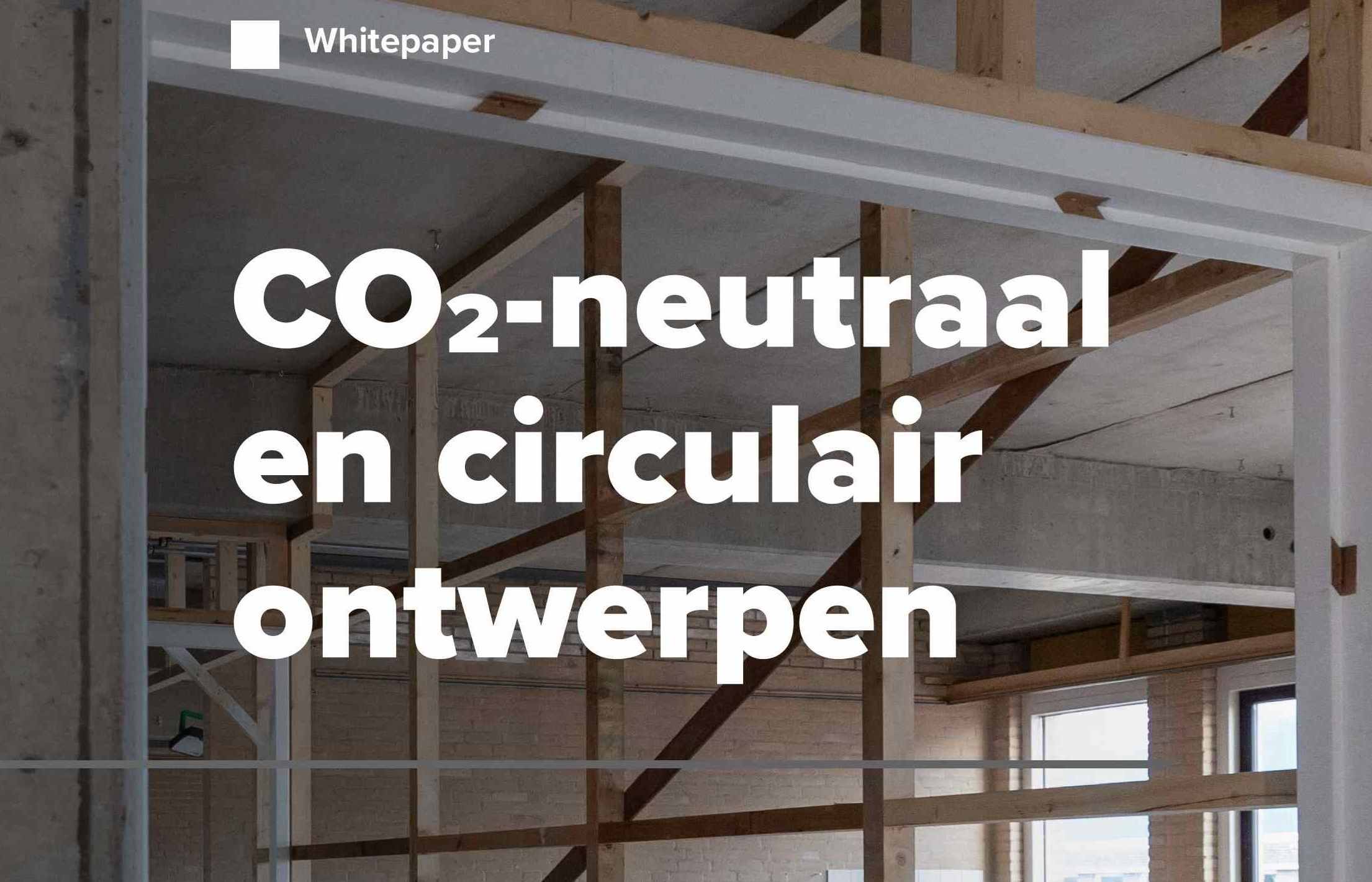
What can we keep? How much new material do we need? Could the building serve a different purpose in twenty years’ time? These are questions worth asking before the design takes shape. The Dutch Green Building Council (DGBC) white paper CO₂-neutraal en circulair ontwerpen explores how early design decisions can reduce emissions and keep materials in use for longer. It reflects the questions we ask in our approach to Paris Proof construction.
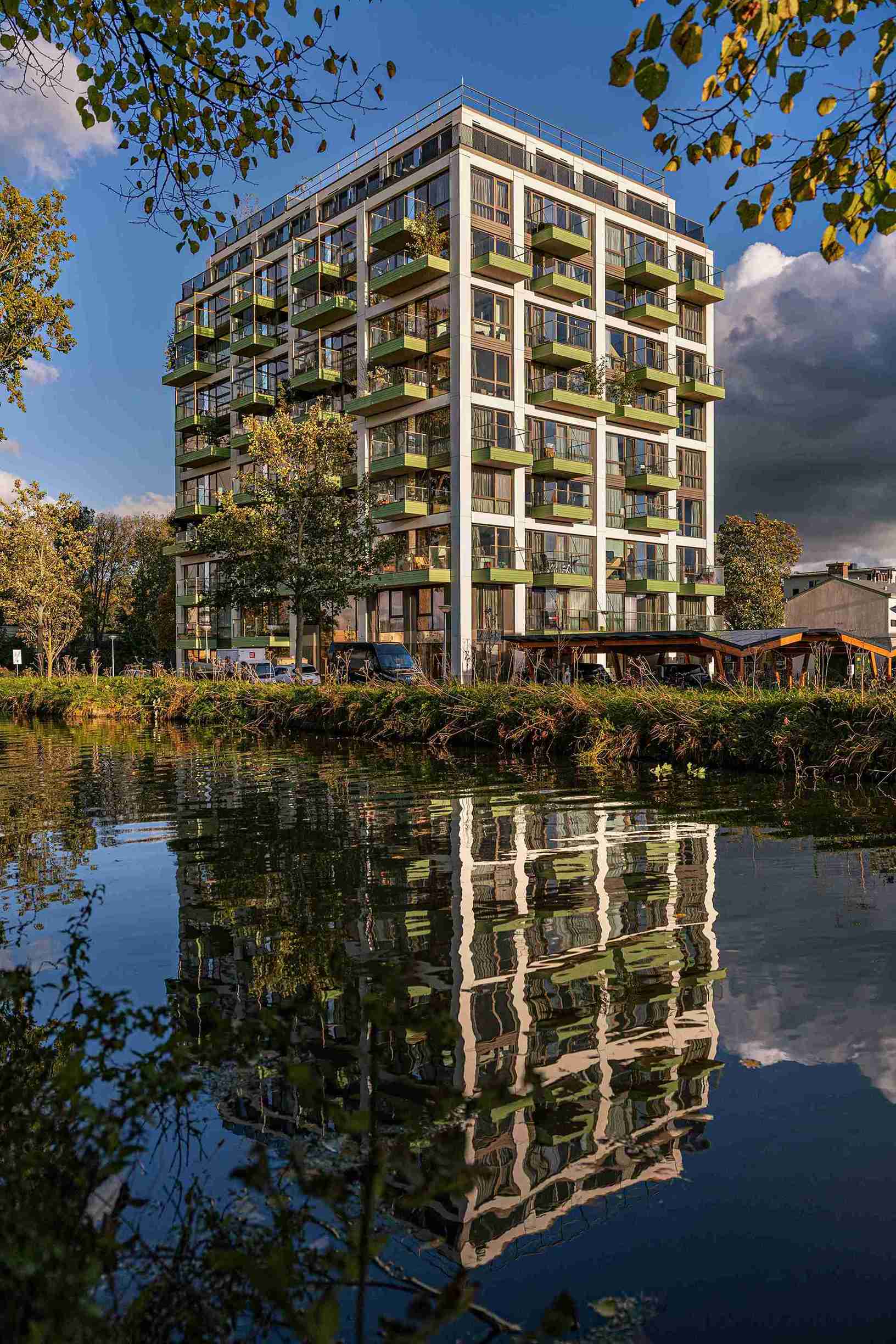
Dennis Hauer, Architect Director at Urban Climate Architects, contributed as a #BuildingLife ambassador. The white paper also features Grote Kreek, the timber care building we designed in Rotterdam. DGBC
Use a carbon budget from the first sketch
Early in a project, the building’s shape, structure and material palette are still open to change. A carbon budget gives the design team a way to weigh up those choices. Could you retain the existing frame? Would a more compact layout or a lighter structure use fewer materials? Comparing options at this stage lets the carbon budget inform the design while there is still room to act on it.
Combine material reuse with bio-based construction
Retaining a structure keeps materials in use. Where you need to add something new, consider reclaimed components or renewable materials such as timber, hemp and flax. The way you put them together matters too. A façade that can be repaired one panel at a time or an internal wall that can be moved makes it easier for the building to adapt. This is where circular construction and bio-based construction meet in our work.
Grote Kreek in Rotterdam. A timber building for care
Urban Climate Architects designed Grote Kreek with fifty care units and space for daytime activities for the Salvation Army. Cross-laminated timber (CLT) forms the structural frame, and locally sourced Dutch hardwood is used on parts of the façade. The layout brings together private rooms and shared spaces where people can spend time together. Explore Grote Kreek in Rotterdam. Urban Climate Architects Projects
Put the white paper to work on your next project
The white paper gives architects, clients and project teams practical questions to explore together. It looks at how to:
- Use a carbon budget to compare design options.
- Assess emissions associated with materials and construction methods.
- Design for the different service lives of the structure, façade and fit-out.
- Incorporate reclaimed and bio-based materials into a project.
Explore the white paper on the DGBC website (in Dutch) DGBC
Written by Karlijn Besse and Laetitia Nossek and published by the Dutch Green Building Council in April 2024.