_11zon.jpg)
Research Project on Timber Construction Details
Client: Built by Nature
The Netherlands is on the brink of a major shift towards large-scale biobased and mass timber construction, and this research project accelerates that transition by focusing on what truly drives quality: well-designed timber construction details. Although the sector already holds a wealth of experience, it still lacks a shared set of standardised CLT details, mass timber detailing and high-quality reference details that can be widely adopted across timber architecture in the Netherlands.
Together with Built by Nature and MAATworks, Urban Climate Architects aims to create a sector-wide approach that supports sustainable, circular and future-proof construction. The research explores how timber buildings can excel in fire safety (CLT/GLT/other timber systems), acoustics, structural stability and installation integration. By bringing together best practices and creating open-source standard timber details, we build a strong foundation for scaling up timber construction, meeting ESG goals, and accelerating low-carbon housing delivery.
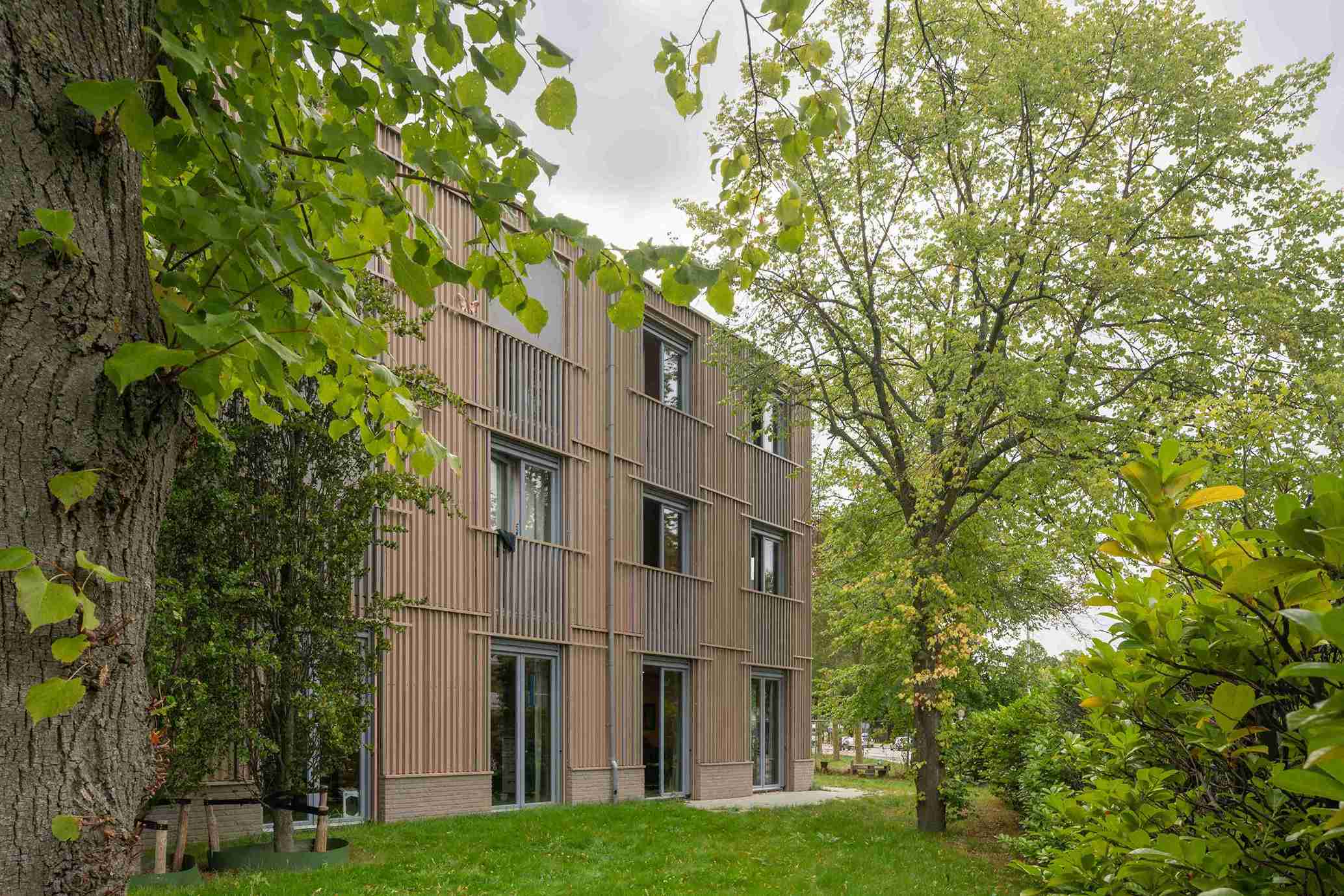
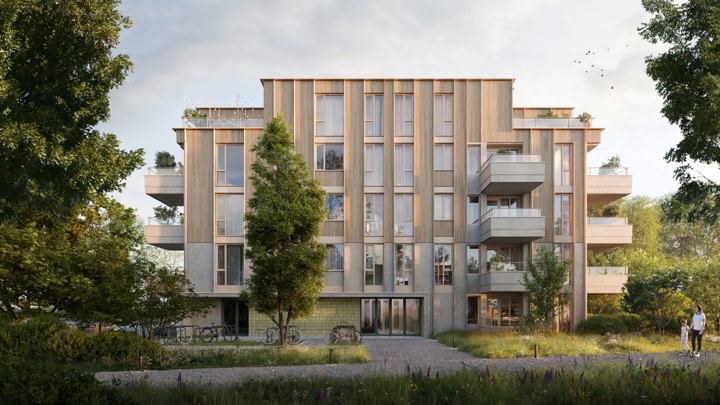
The project analyses recently completed multi-storey timber residential buildings at a detailed 1:5 scale, combining drawn information (design and engineering) with real-life performance data (measurements and interviews). This results in a deep understanding of mass timber design, covering both technical performance and user experience — essential for healthy, sustainable and climate-adaptive urban development.
The findings will be translated into 30 directly applicable LoD500 timber construction details, enabling faster and more confident design and engineering. The research culminates in a bilingual CLT & mass timber handbook, freely accessible for architects, engineers, developers, insurers, municipalities and policymakers committed to low-carbon, circular construction and high-quality timber architecture.
Research Phases
Phase 1 – Case study of 20 multi-storey timber residential buildings
We study 20 recent projects that represent the ambitions of biobased construction, circular design and sustainable architecture in the Netherlands. We collect drawings, detail information and performance data on:
- Design and engineering processes
- Structural principles
- Fire safety in CLT, GLT and hybrid timber buildings
- Acoustic performance
- Installation integration in lightweight biobased systems
- CO₂ storage, low-carbon strategies and material impact
- Biobased insulation and circular material choices
- Demountability, adaptability and construction methods
Where necessary, additional measurements are taken (e.g. internal sound transfer). Interviews with designers, engineers, builders and residents provide insights into comfort, usability and living quality — key aspects of human-centred, climate-resilient design.
This phase delivers a comprehensive understanding of which timber quality details and mass timber detailing approaches perform best in real projects.
Phase 2 – Design guidelines and 30 reference details (LoD 500)
In collaboration with experts including Lidewij Lenders (MAATworks), the findings are translated into clear design guidelines. Projects are categorised into:
- Solid timber buildings with CLT walls and floors
- Timber column-beam structures with GLT and timber floors
- 3D modular timber systems
The outcome is a suite of 30 high-quality LoD500 timber reference details, tailored for use in mass timber buildings across the Netherlands. These details support:
- Fire safety
- Acoustic performance
- Thermal and material efficiency
- Structural stability
- Circular and biobased materialisation
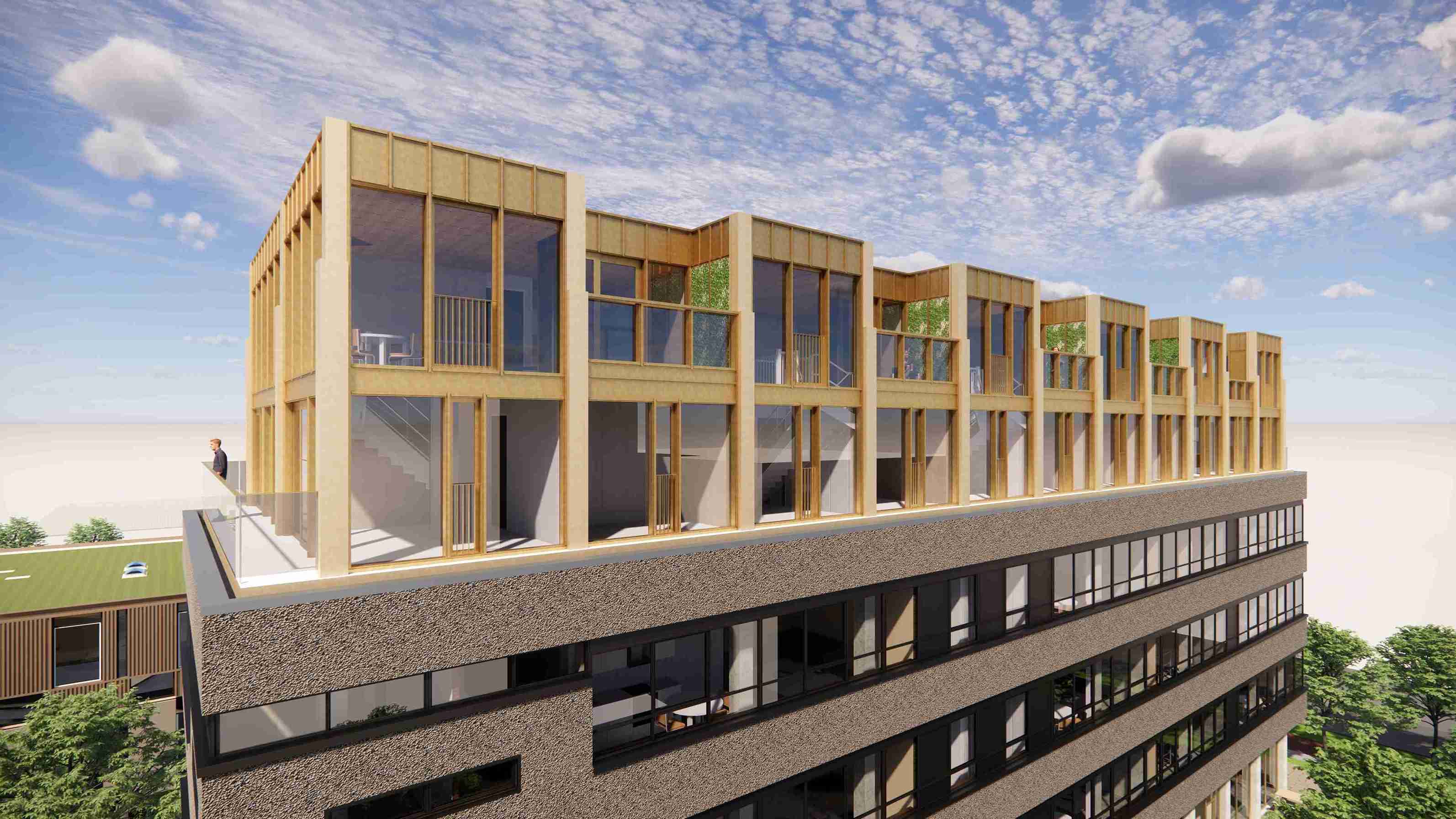
This creates a powerful toolbox for timber architects, circular renovation specialists, developers and builders working on timber housing, vertical extensions, urban densification and climate-resilient urban design.
Phase 3 – Development of the handbook
Insights from Phase 2 are translated into an accessible, clearly structured timber construction handbook, including:
- Introduction
- Case studies
- Design principles for biobased and circular construction
- Approved standard details (LoD500), with variations for fire safety, acoustics and insulation
The handbook serves as an essential reference for everyone working on high-quality timber buildings and sustainable urban development.
Phase 4 – Knowledge sharing and capacity building
The results will be published in a bilingual handbook (Dutch and English), freely available in print and online. To ensure wide dissemination across Europe, we invest in:
- Articles in professional journals
- Presentations at conferences and universities
- Workshops for architectural and engineering teams
- A short explanatory video
These efforts strengthen the sector-wide approach, stimulate knowledge exchange and support the international growth of high-quality, low-carbon mass timber architecture — from CLT high-rise to biobased neighbourhoods.
Read here the column by Dennis Hauer Vakblad Bouwfysica, No. 2, volume 2025.
Contact for more information


.jpg)

_11zon.jpeg)

.jpg)


%20-%20uc%20architects.jpg)






.png)


.jpg)