
Not every housing project starts with an empty plot of land. Often, the greatest opportunity lies precisely in existing buildings.
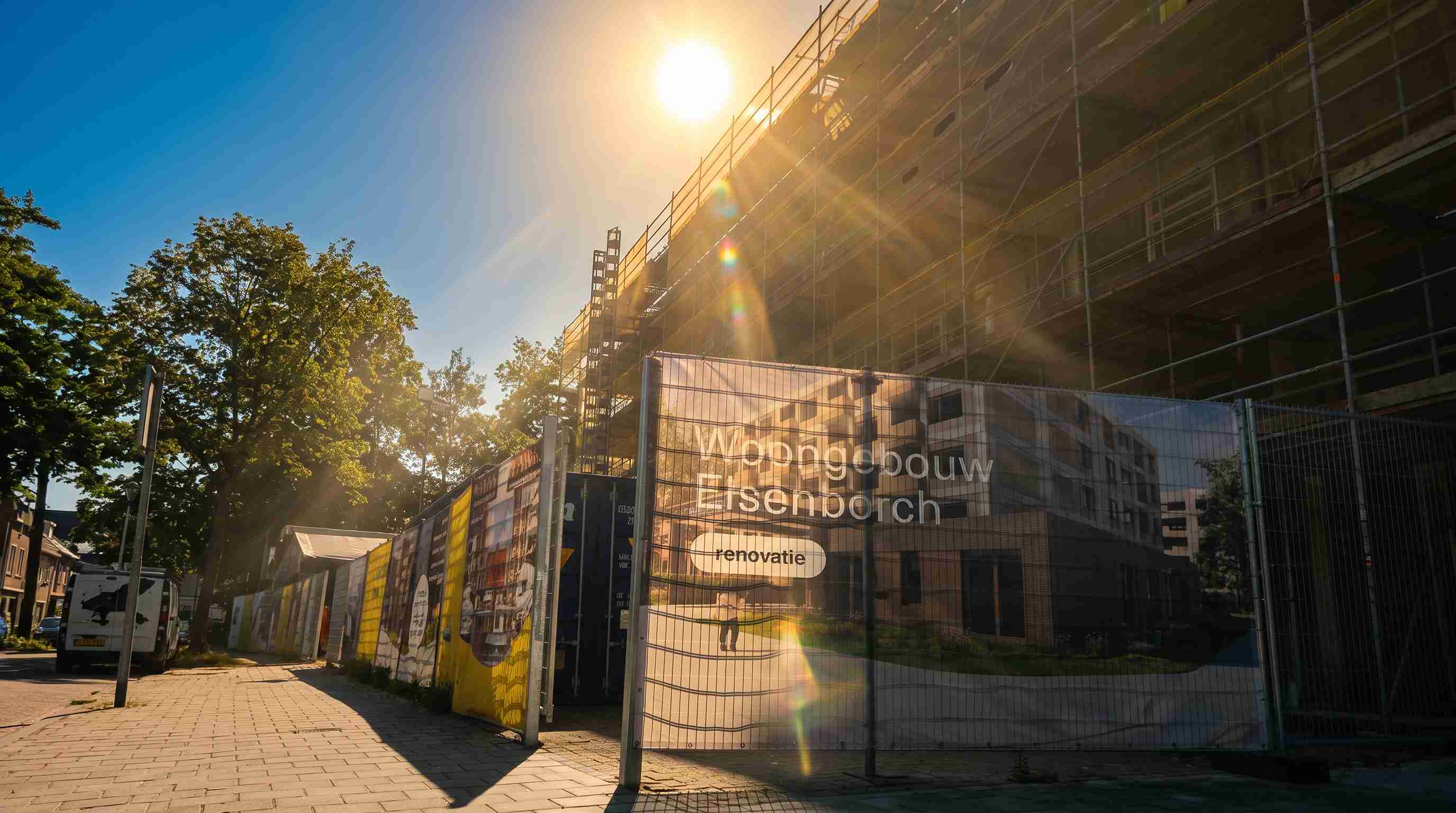
On Weegbreestraat in Bergen op Zoom, UrbanClimate Architects is transforming an existing apartment complex into a sustainable, future-proof living environment. By preserving existing qualities and implementing targeted renovations, a residential building is created that better meets today's housing needs and tomorrow's challenges.
The task goes beyond a mere renovation. The project demonstrates how circular renovation, building transformation, and climate-adaptive design can collectively lead to more homes, increased biodiversity, and a more attractive living environment.
A vibrant plinth as a new link in the neighborhood
Where the ground floor previously consisted largely of storage units and a former community function, an active residential layer is now being created.
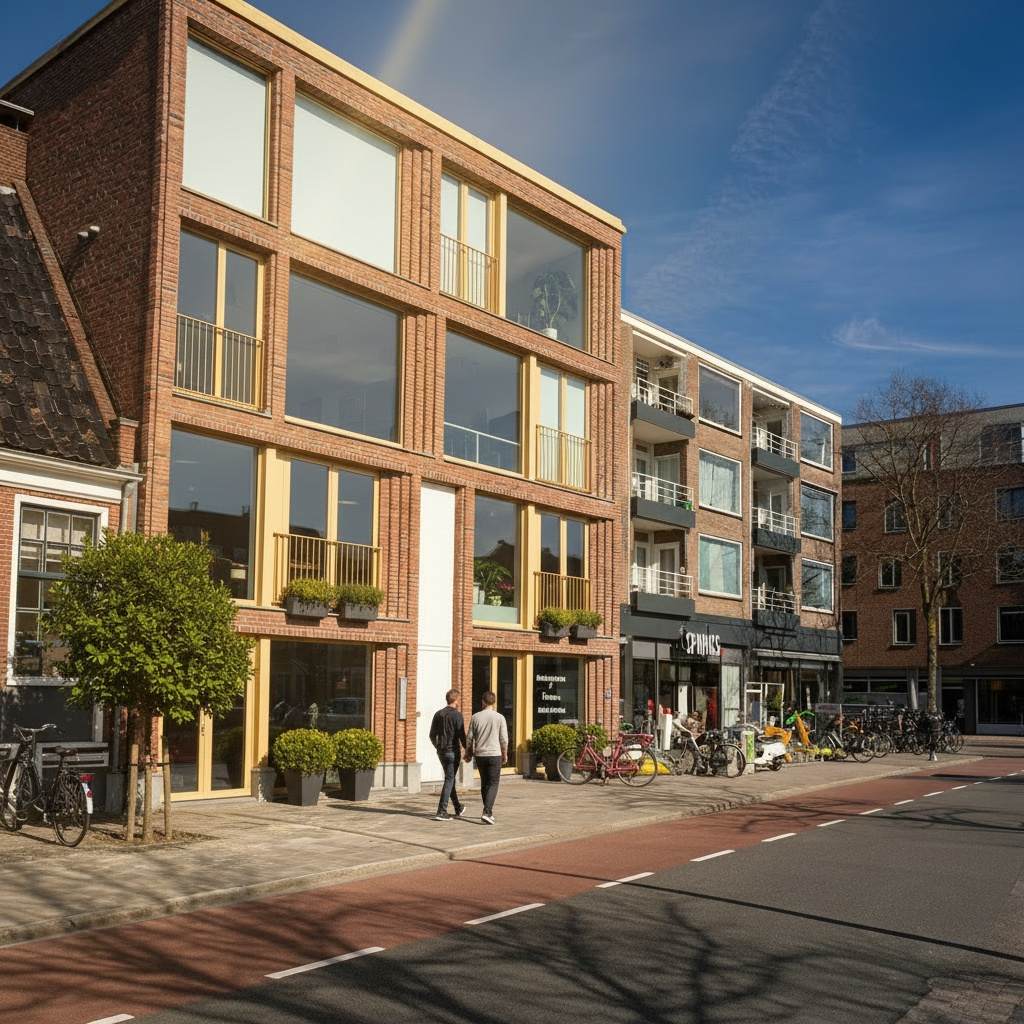
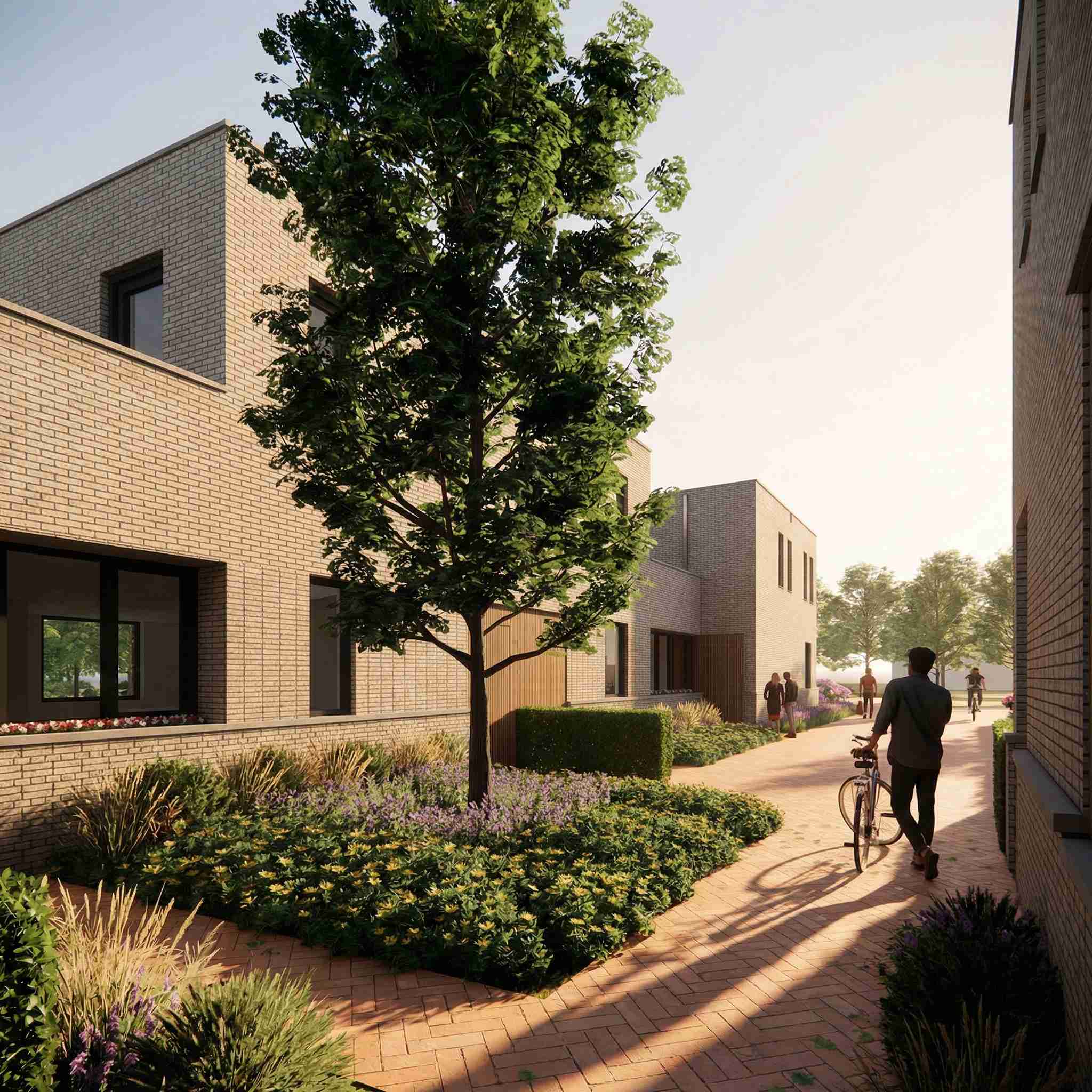
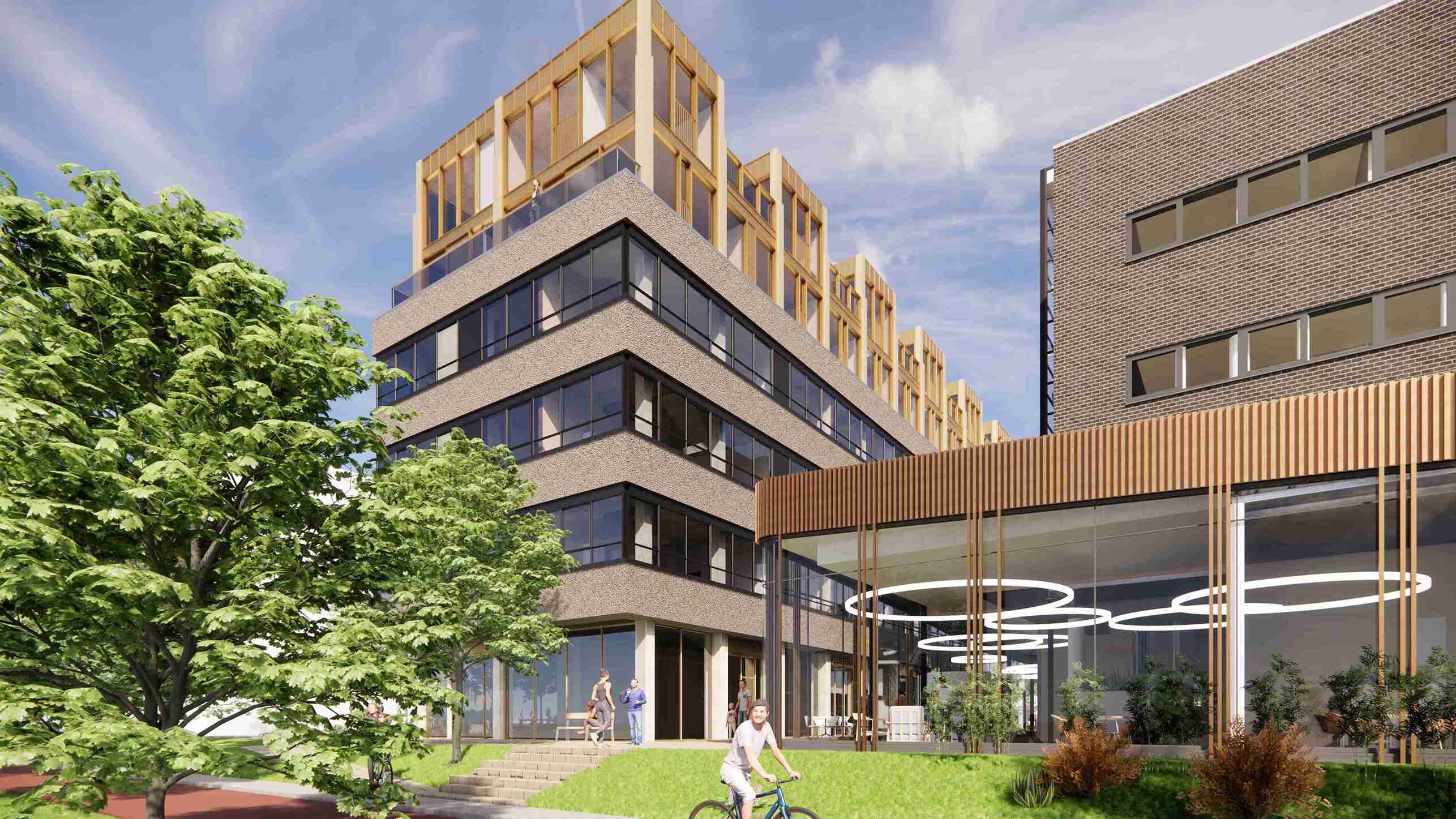
Five new, ground-level homes make optimal use of the building's existing structure. Each home will have its own front door facing the street and a private outdoor space, strengthening the connection between residents and the public realm. This fosters greater social safety, more encounters, and a livelier streetscape.
Sustainable renewal without demolition
The most sustainable buildings are often the ones that already exist.
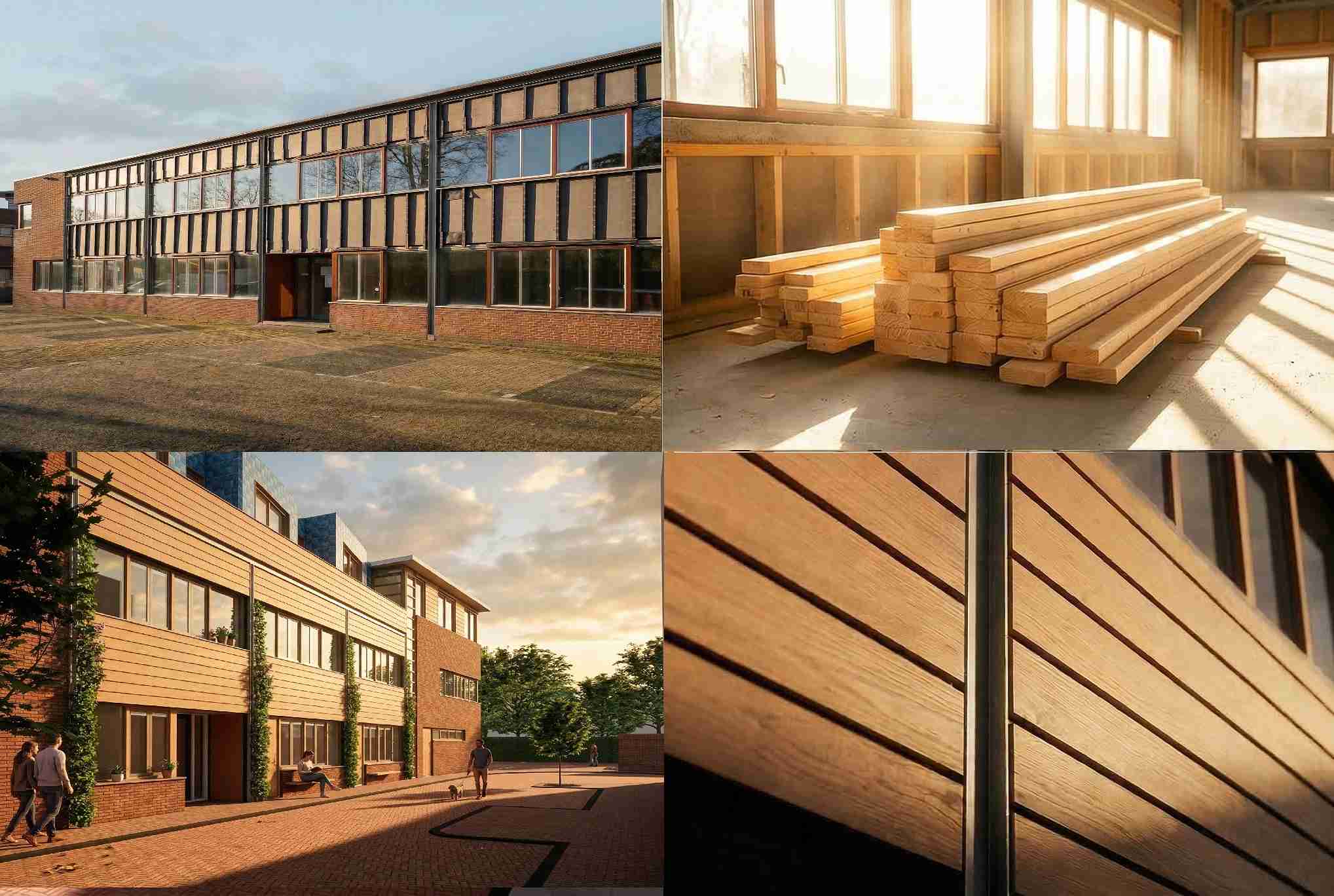
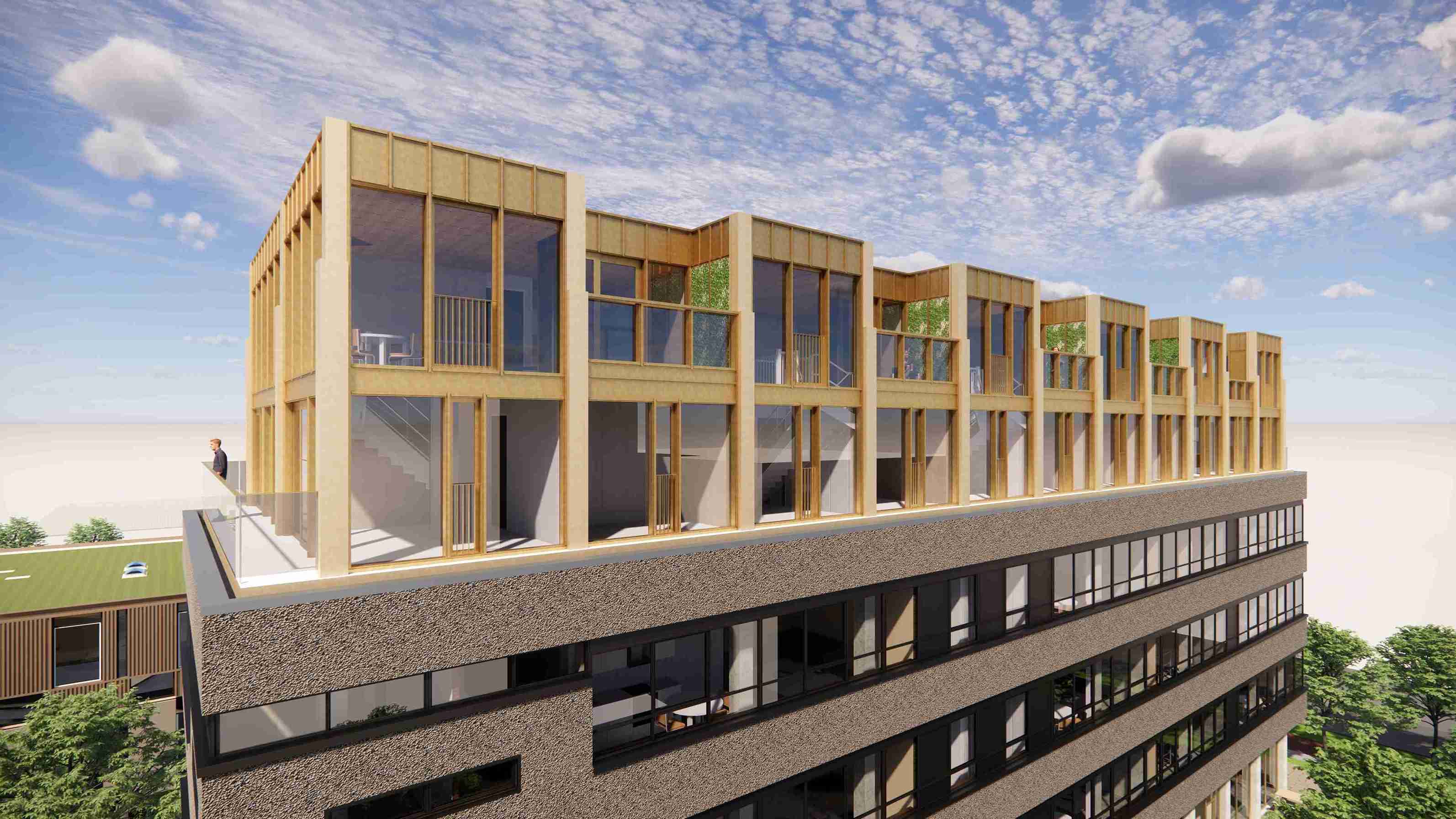
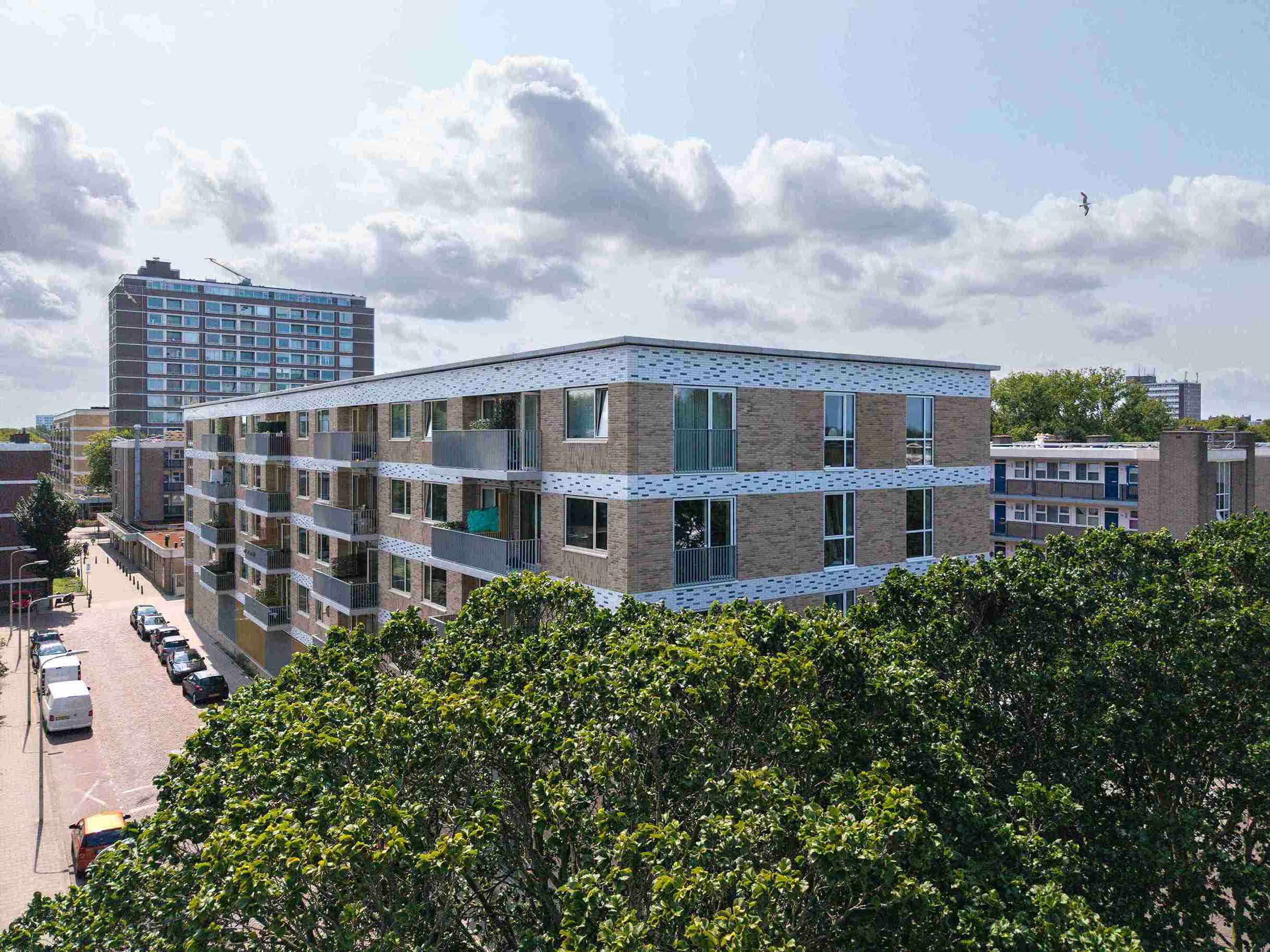
By preserving the existing structure and thoroughly making the residential building more sustainable, material-related CO₂ emissions are kept to a minimum. The facade will be completely renewed and fitted with high-quality insulation, improving living comfort and reducing energy demand. At the same time, the building will gain a contemporary architectural appearance that fits within the character of the Gageldonk-West neighborhood.
This is how sustainable construction becomes concrete: not by starting anew, but by cleverly building upon what already exists.
Greenery as part of the architecture
The residential building also undergoes significant changes externally.
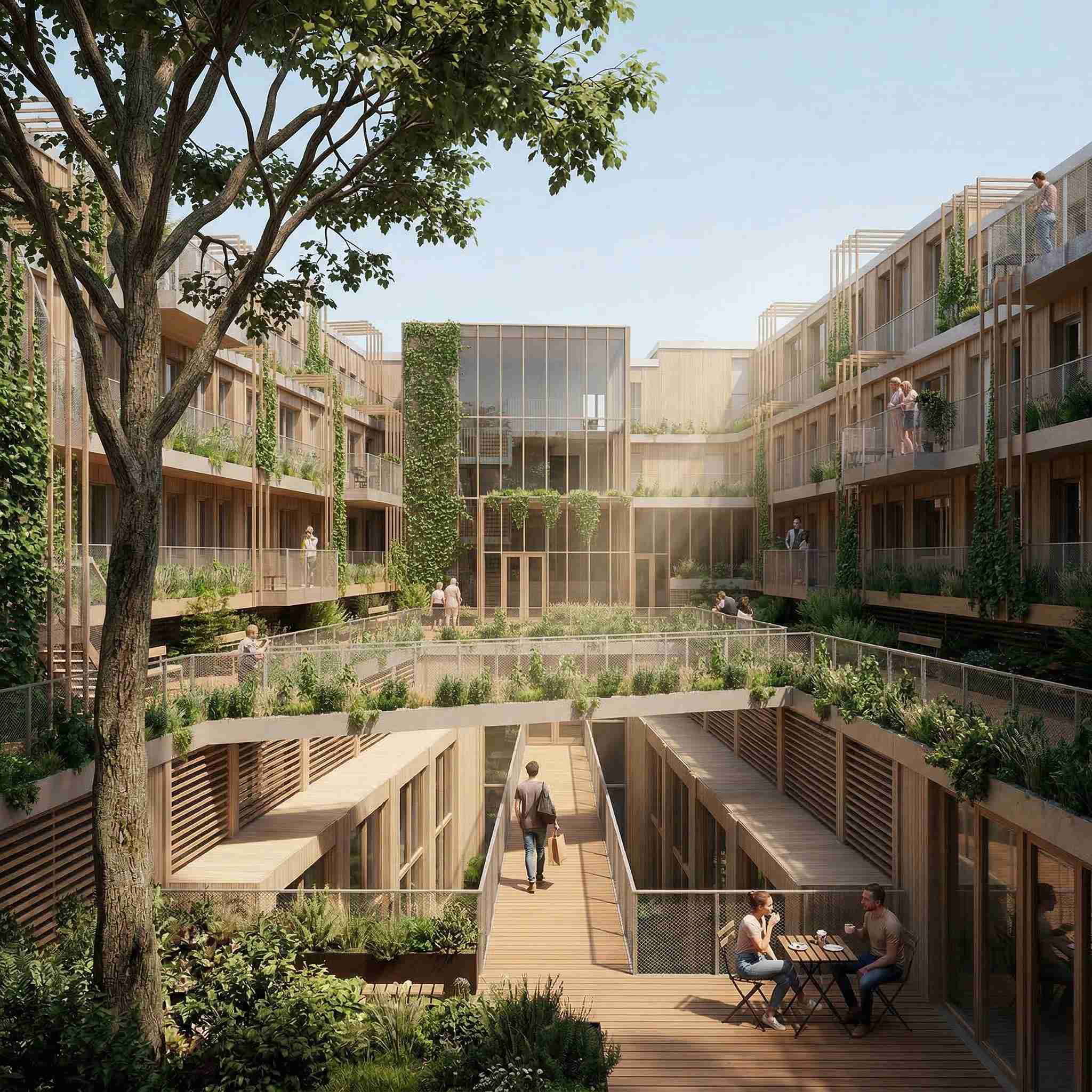
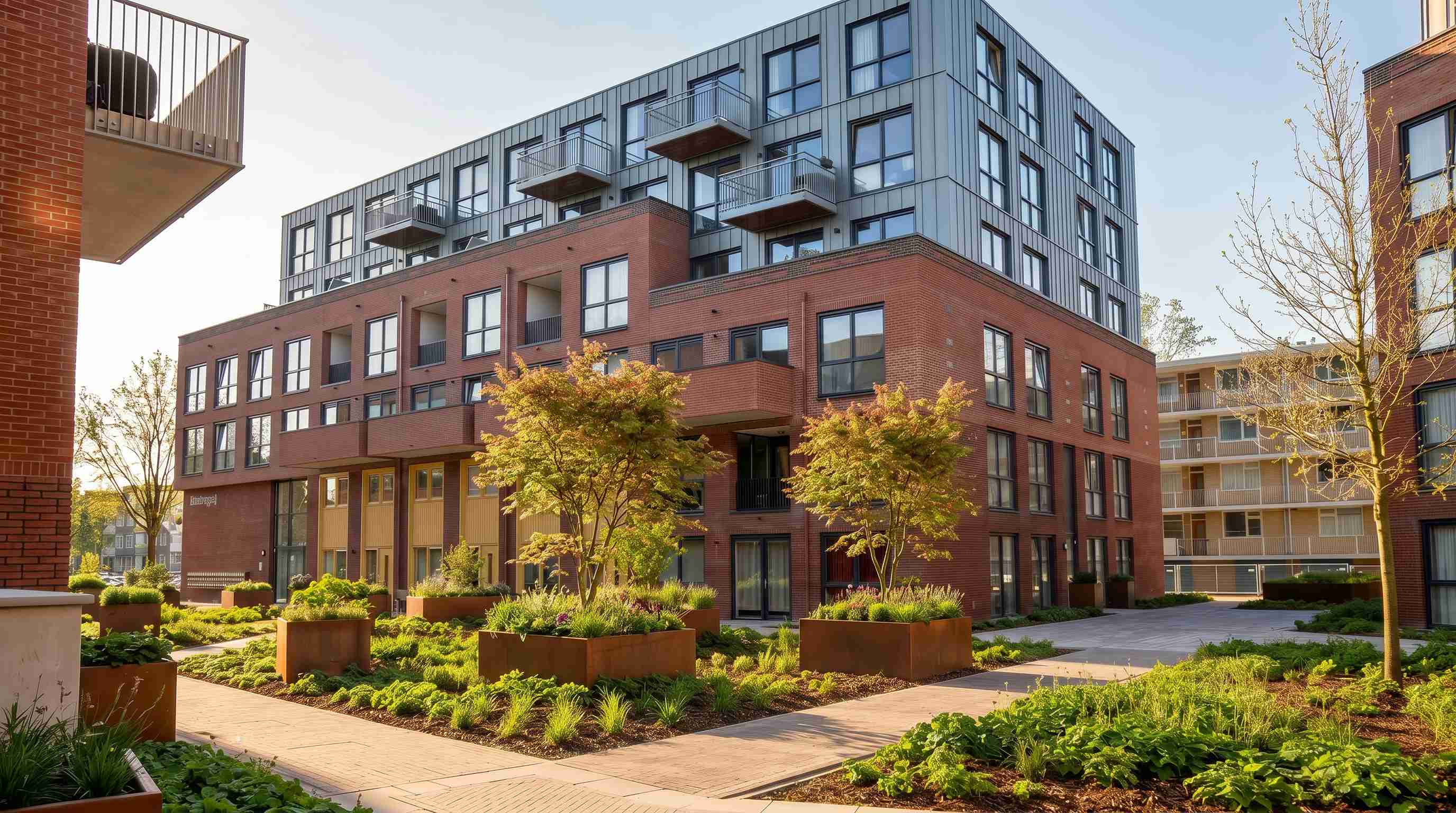
New private gardens, flowering plants, and green entrances create a soft transition between the building and the street. The design promotes biodiversity, reduces heat stress, and makes the outdoor space more attractive for residents and visitors.
The landscape is thus not seen as mere decoration, but as an integral part of the design.
Architecture that strengthens the neighborhood
The renovated facade aligns with the scale and rhythm of the existing buildings, while carefully selected materials provide a fresh and contemporary look.
Warm mineral brick slips, wooden window frames, and subtle facade accents give the building a new identity without losing the neighborhood's cohesion. This creates a residential building that remains recognizable to the neighborhood but is ready for the future.
Building together for a future-proof neighborhood
Weegbreestraat demonstrates that neighborhood renewal doesn't always start with new construction. By cleverly transforming existing residential buildings, new homes, a better living environment, and a more sustainable city are created.
The project proves that circular construction, sustainable renovation, and climate-adaptive design reinforce each other. In this way, not only the building but also the neighborhood gets a second life.





.jpg)


.jpg)




%20-%20uc%20architects.jpg)










.jpg)






.jpg)


.jpg)


