From waste wood to circular building material: Urban Climate Architects and TNO develop Circular CLT (C-CLT)
Secondary timber deserves a new future. Material that was once treated as waste can become a high-value building material again. Together with TNO, Urban Climate Architects is researching how reclaimed timber, demolition wood and timber elements from existing buildings can be transformed into Circular CLT (C-CLT): circular Cross Laminated Timber.
This research responds to one of the most important questions in the built environment. Should we keep producing new materials? Or should we learn to build more intelligently with what already exists?
For Urban Climate Architects, circular construction does not start with more material. It starts with looking more carefully. At existing buildings. At hidden timber reserves. At the value still present in materials that are too often removed from the construction chain.
As a mass timber architect, we explore how timber construction, reclaimed materials and biobased design can come together in future-ready architecture. Within that shift, the role of a CLT architect Netherlands is also changing: from designing only with new CLT to working with circular alternatives made from existing material flows.
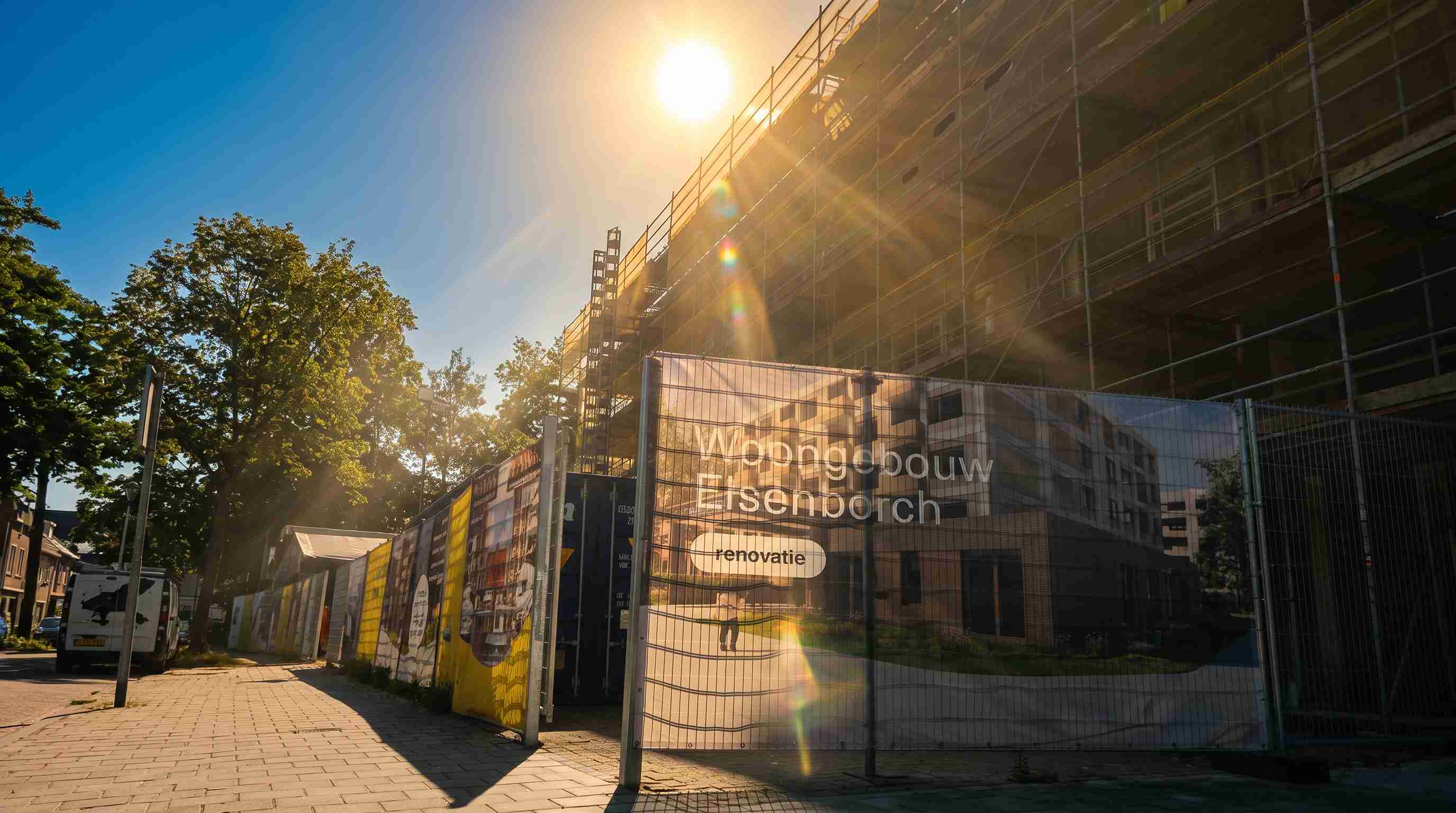
From demolition to harvesting
A building is not an endpoint. It is a material bank.
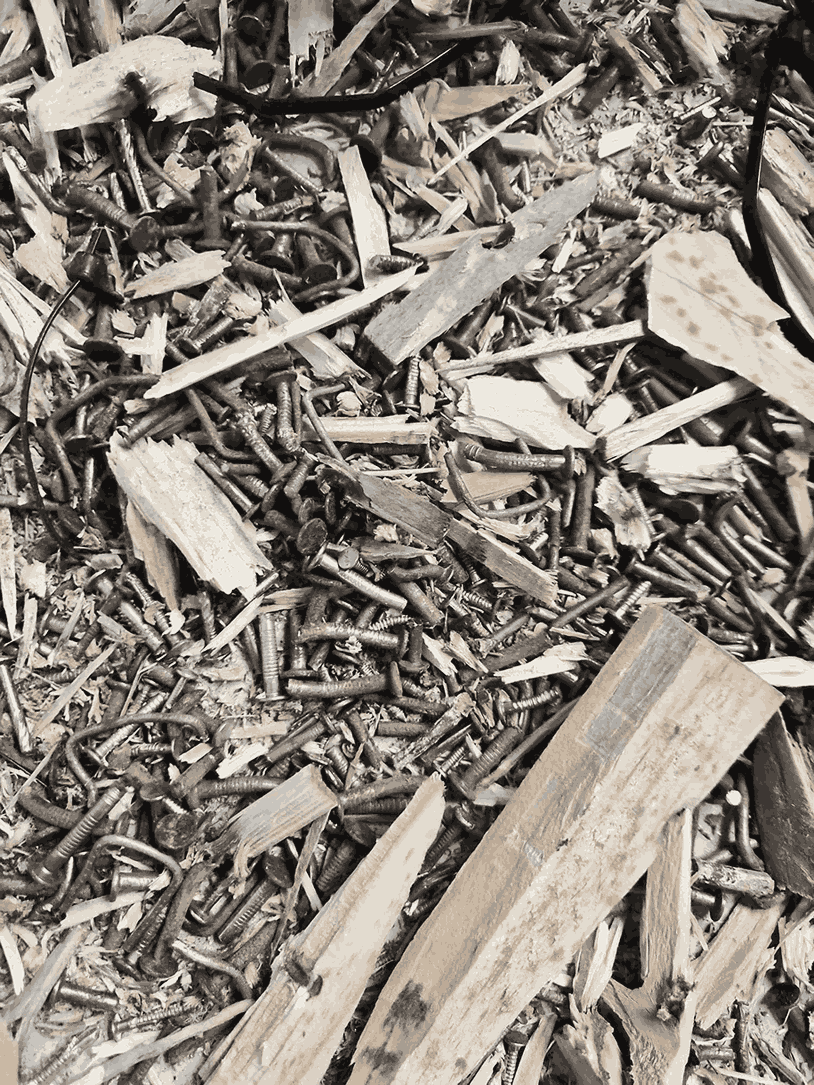
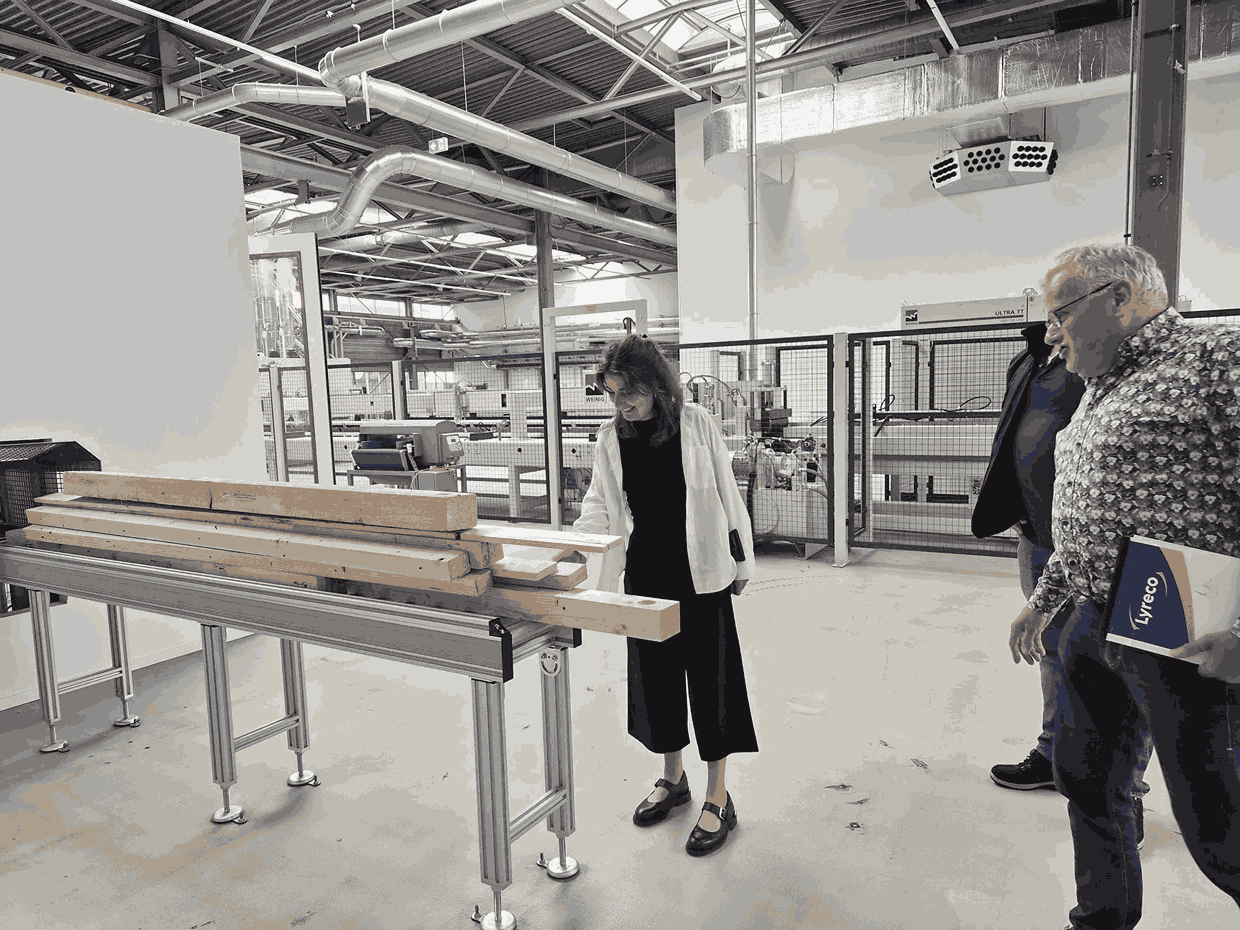
Homes, schools, offices and commercial buildings contain large quantities of timber that may still have a long useful life ahead of them. The first step is therefore not demolition, but harvesting. This means carefully dismantling, sorting and recording what comes out of a building.
It takes more attention than conventional demolition. But it also creates more value. Structural timber is preserved. Materials are given a second life. Fewer new resources are needed. And a new circular chain emerges, connecting architects, researchers, processors, social workshops and construction partners.
In this way, waste wood becomes a valuable source for the next generation of buildings.
Not every piece of timber has the same future
Before timber can be reused structurally, we need to understand what it can still do. Secondary timber must be assessed for quality, connections and structural performance. This includes strength, stiffness, stability, moisture behaviour and reliability.
This assessment is essential. Not every piece of timber needs the same destination. Some elements may be suitable for high-value structural use. Others may be better suited to finishes, interiors or panel products.
That careful selection is what makes circular construction reliable. The aim is not simply to reuse old wood. The aim is to return as much timber as possible to the construction chain in a safe, intelligent and high-value way.
That is how confidence in circular building materials grows.
Circular CLT: reclaimed timber with structural potential
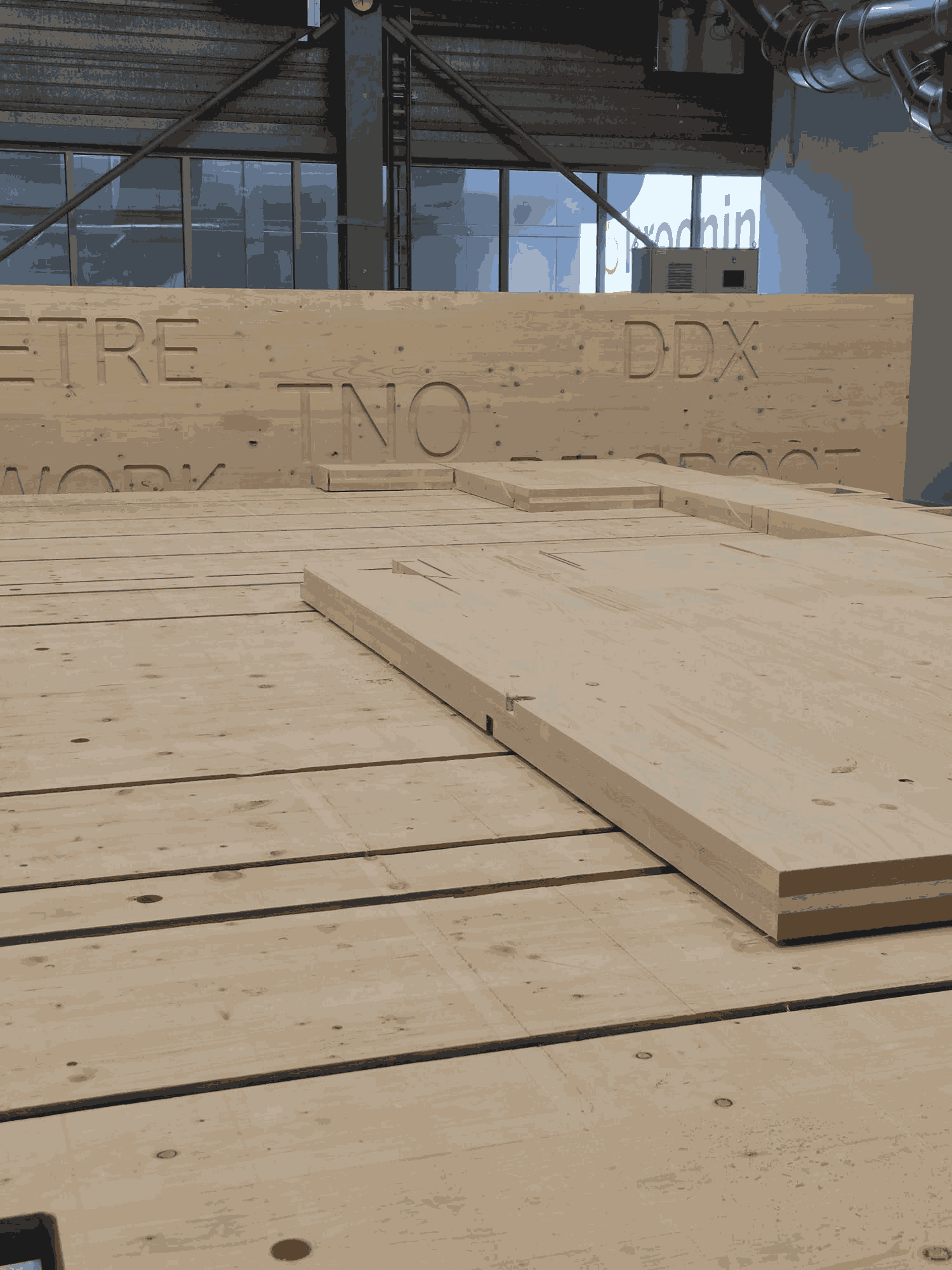
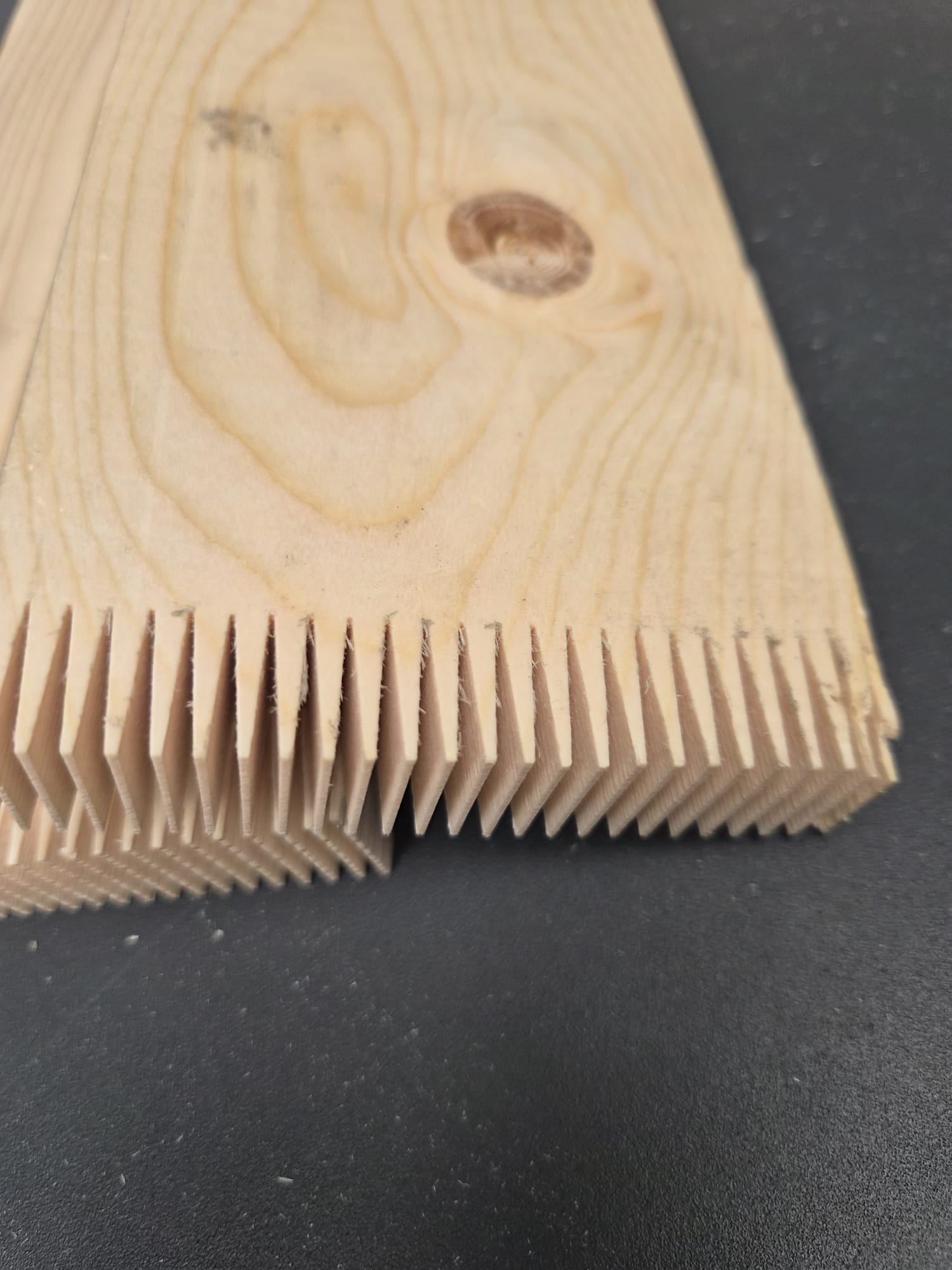
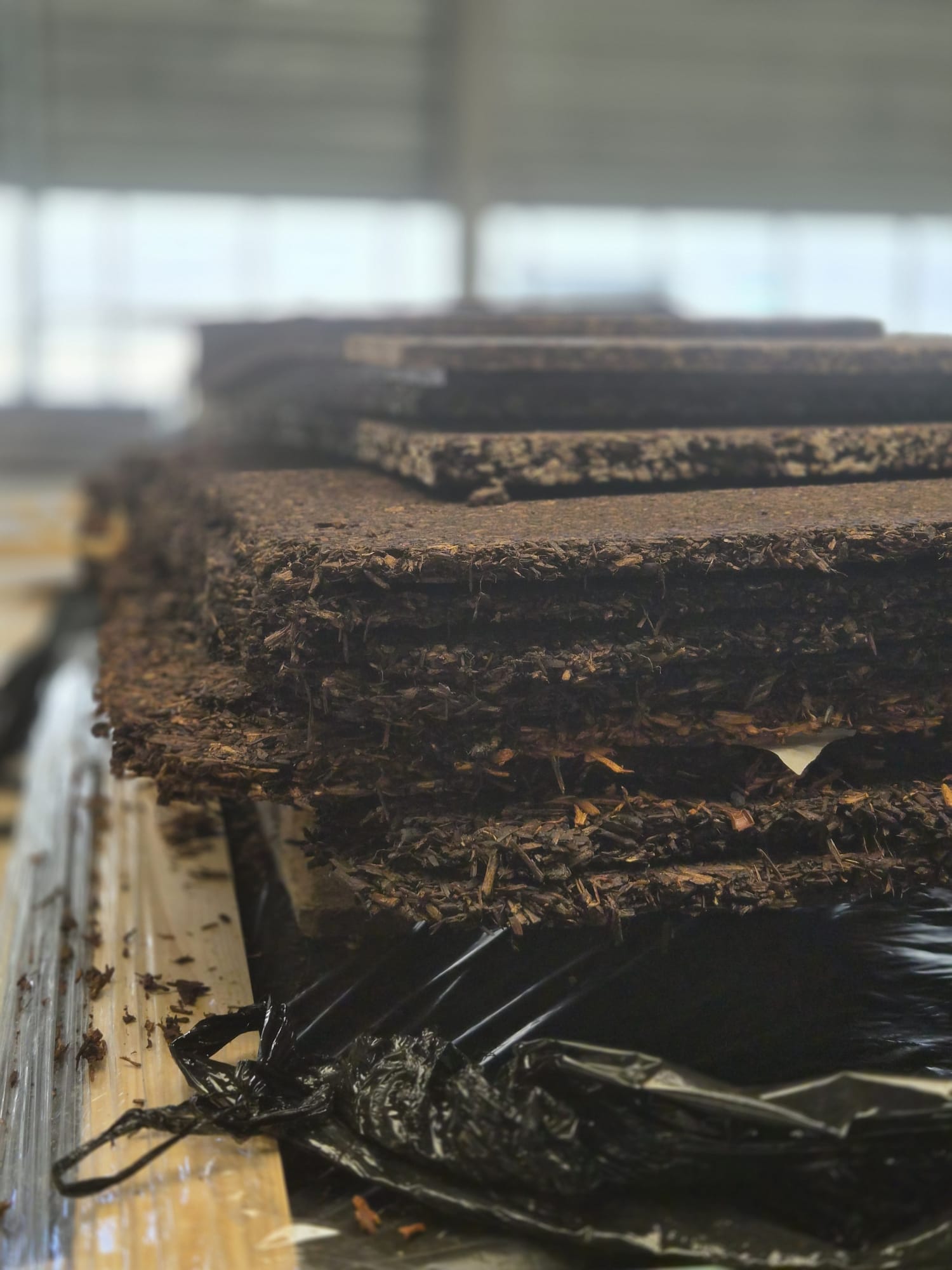
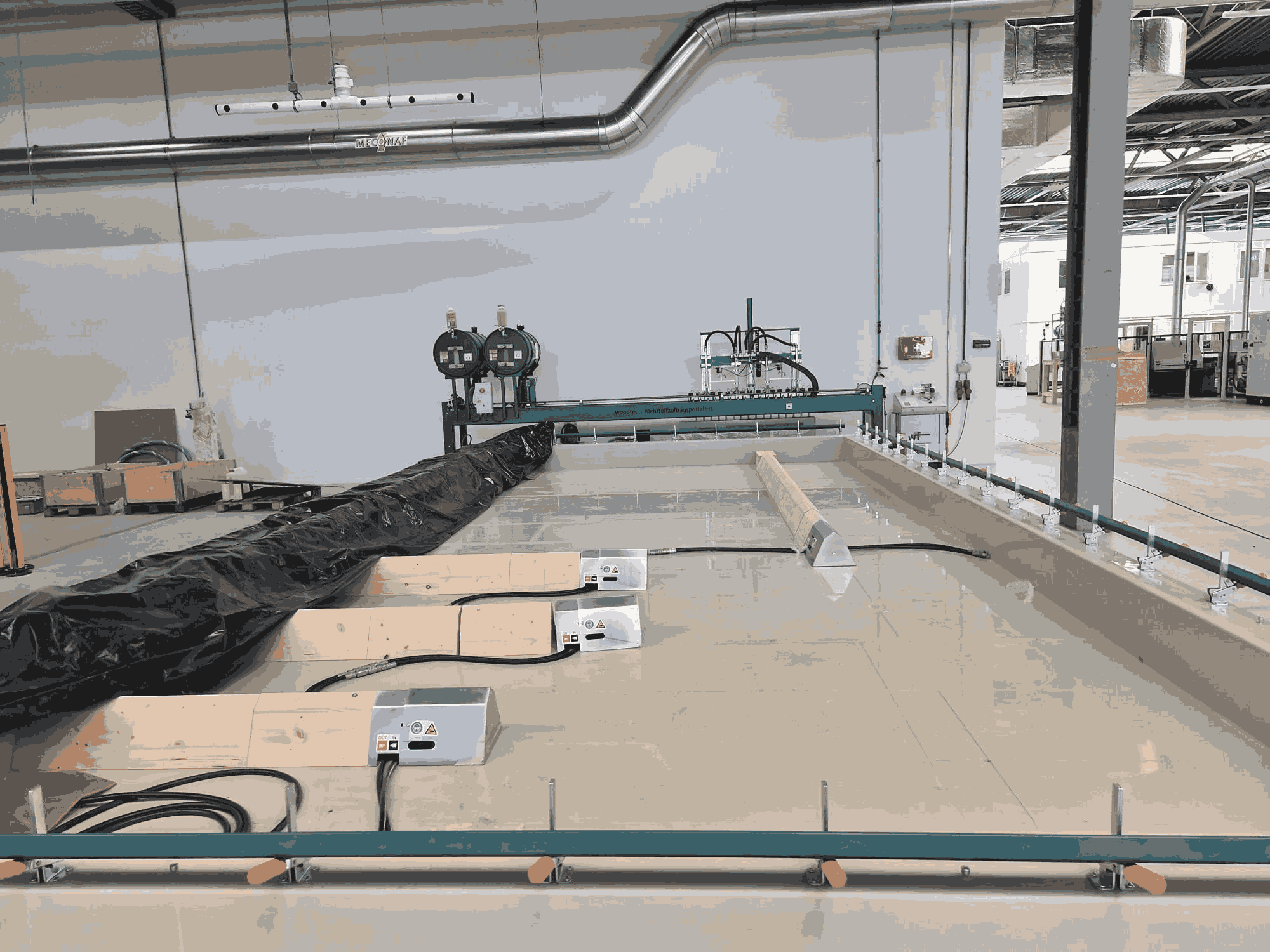
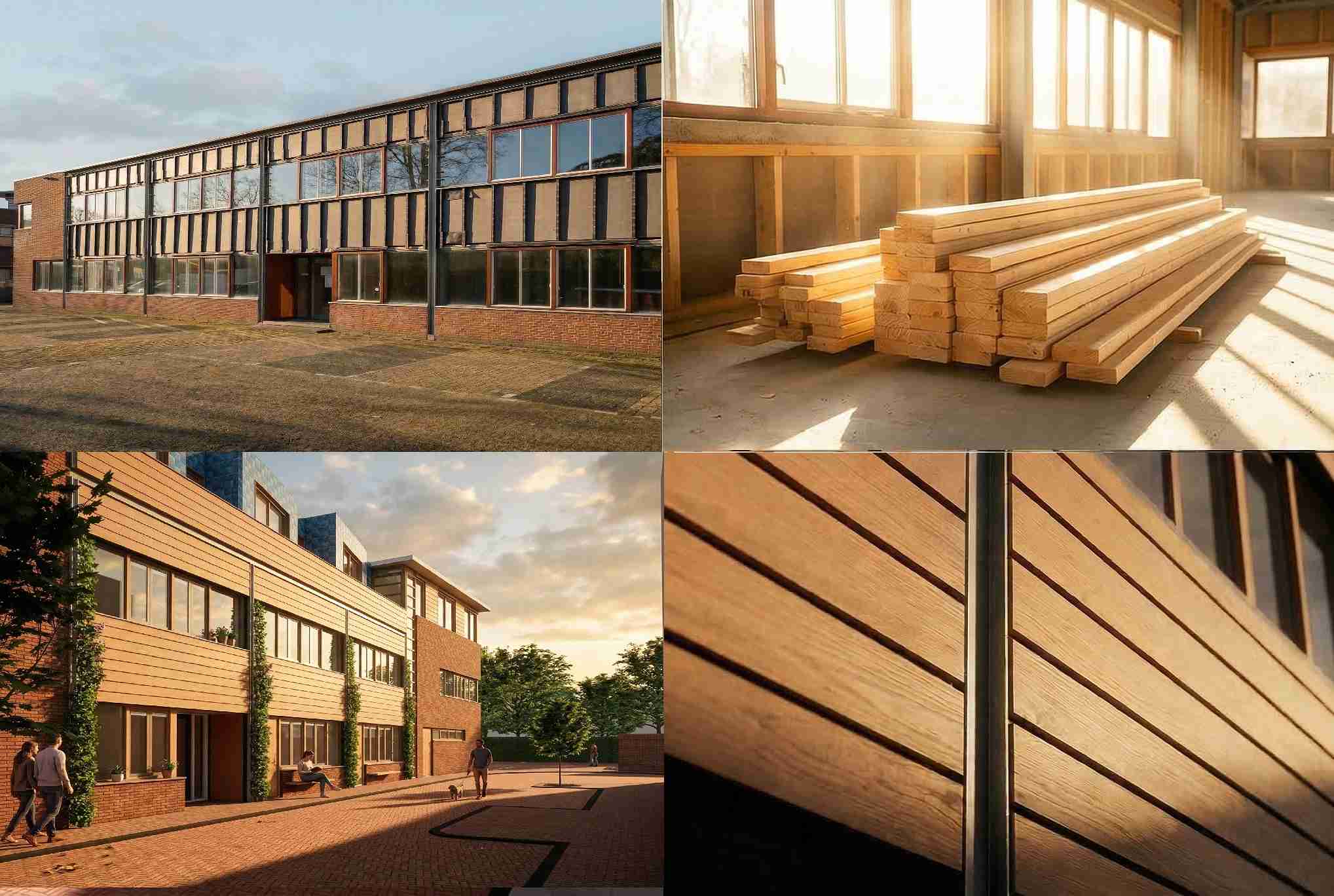
Circular CLT is made from carefully selected layers of secondary timber. After assessment, processing and bonding, these layers form strong and stable panels that can be used again in construction.
While conventional CLT is generally made from new timber, Circular CLT gives existing timber a second structural life. This makes it highly relevant for clients who want to reduce the use of virgin materials, lower embodied carbon and develop a clear circular construction strategy.
Circular CLT shows that timber construction is not only about material choice. It is also about chain choice. Where does the timber come from? How much value does it still hold? And how can we make sure that value is not lost?
This is closely connected to wider questions around the role of a biobased construction architect, circular material flows and low-carbon design.
From residual stream to high-value construction
The process behind Circular CLT shows how circular innovation works.
First, timber elements are carefully harvested from existing buildings. Their quality and structural value are then assessed. Usable elements are repaired, processed and combined into new panels. Only then do they return to construction, for example as wall, floor or roof elements.
This is not low-grade recycling. It is value retention.
For Urban Climate Architects, this is exactly what circular architecture is about. Not only reducing harm, but reactivating existing value. In this way, a residual stream becomes a building block for sustainable buildings, lightweight structures and future-ready cities.
The economic side also matters. In many projects, the costs of timber construction are an important part of the decision-making process. Circular material use therefore needs a smart design strategy from the start: technically feasible, financially realistic and architecturally strong.
Why this research matters for construction
The Netherlands has relatively limited forest area, but millions of square metres of existing buildings. Within those buildings lies a vast stock of materials. Anyone serious about reducing the environmental impact of construction must look not only at new biobased materials, but also at the resources already present in our cities.
Circular CLT is part of that wider systems shift. It connects timber construction, circular construction, urban mining and climate-adaptive design. It allows trees to remain trees for longer, while enabling the built environment to continue developing.
This makes the research relevant for municipalities, developers, housing associations and construction partners looking for scalable solutions for sustainable housing, renovation and urban densification.
In projects comparing timber vs concrete, this question is becoming increasingly important. The issue is not only which material is technically possible, but which material strategy creates the lowest environmental impact while retaining the most value.
Circular CLT in future projects
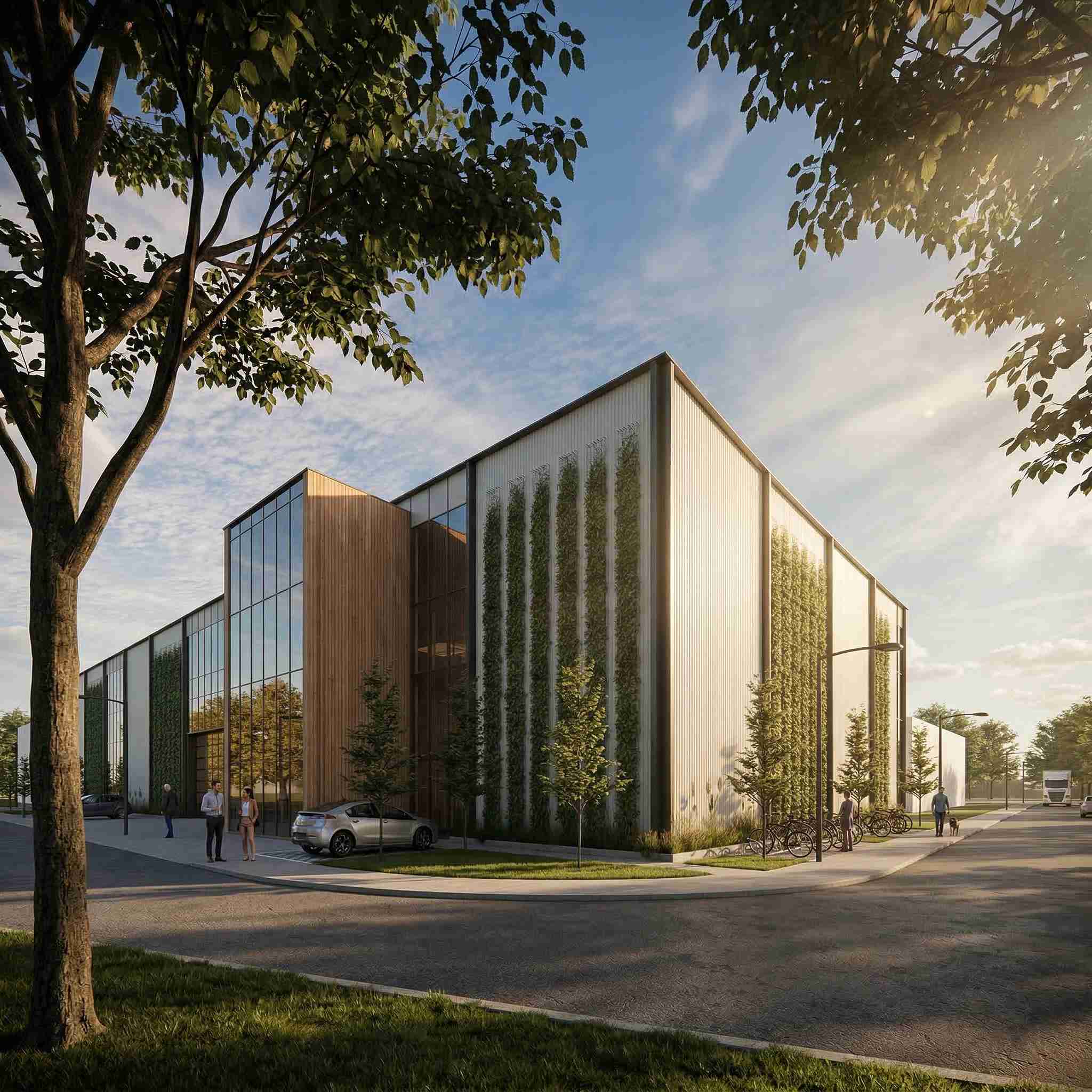
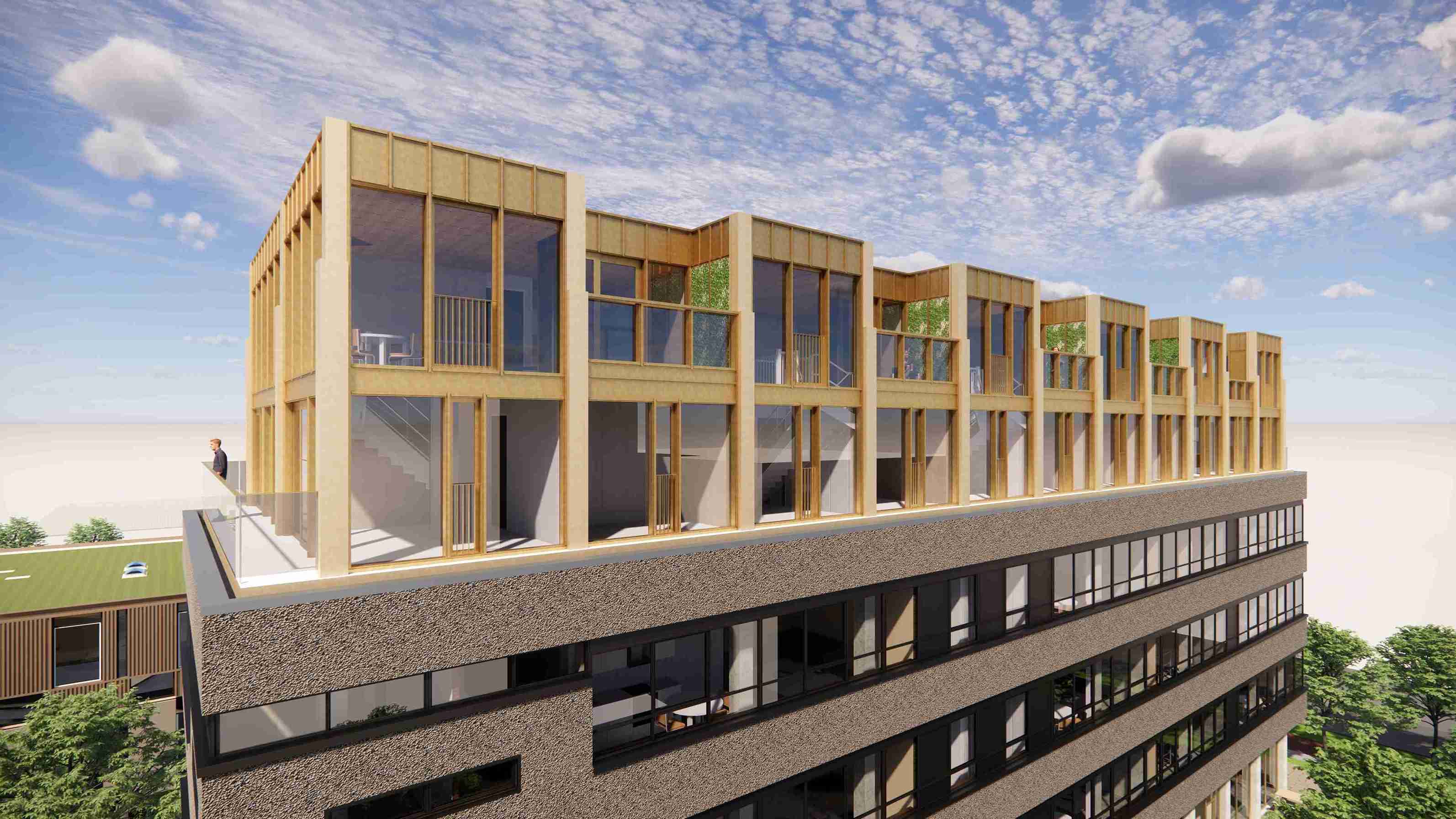
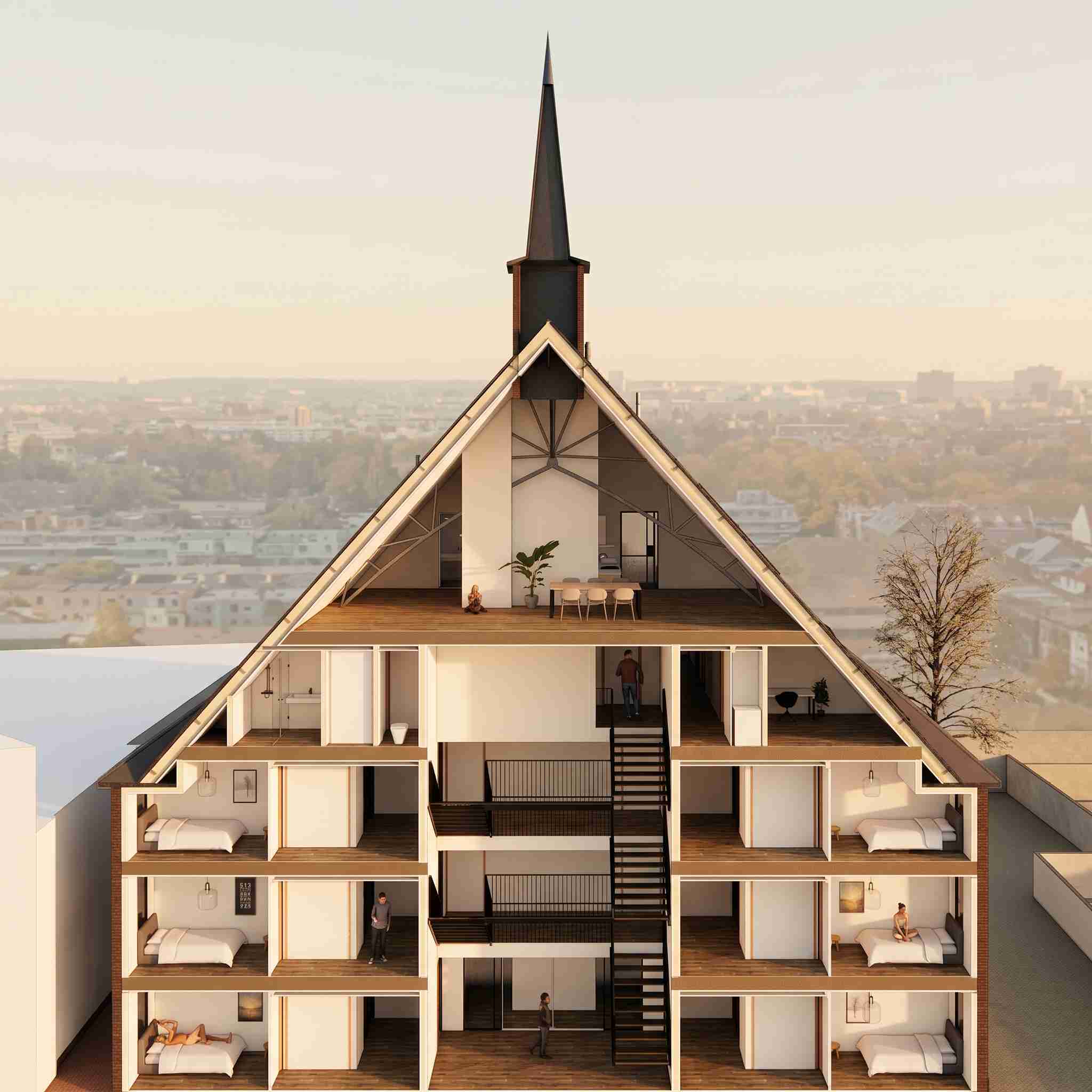
Circular CLT may become especially valuable in projects where lightweight construction, low environmental impact and intelligent material use come together. This includes rooftop extensions, transformations, renovations and urban infill.
In timber optopping architect projects, weight is often a decisive factor. Timber structures are generally lighter than conventional alternatives. When reclaimed timber can also be used as part of that strategy, an additional layer of sustainability is created: building on what already exists, with materials that already existed.
Circular CLT is also highly relevant to Paris Proof Construction. The climate impact of buildings is not only determined by operational energy use, but also by the materials we choose. By structurally reusing existing materials, the embodied impact of new buildings can be reduced further.
In this way, Circular CLT becomes more than a material innovation. It becomes a design strategy.
Urban Climate Architects brings research into practice
Urban Climate Architects designs buildings that are lighter, healthier and more circular. Mass timber, biobased materials and reclaimed building components are central to that approach. Through our collaboration with TNO, innovations such as Circular CLT can be considered earlier in the design process.
That matters. Material decisions do not begin on site. They begin at the drawing board.
As architects, we investigate how circular timber can support housing, rooftop extensions, building transformation and new urban living environments. We look not only at technical performance, but also at spatial quality, health, affordability and long-term value.
For clients working on circular construction Netherlands, sustainable tenders or innovative timber projects, Circular CLT offers a new perspective: less waste, more value and a stronger story behind every building.
The construction of the next century starts with what already exists
Perhaps we have spent the last hundred years building in the wrong direction. Too often, a project begins with new materials, new products and new resources. The coming century asks for a different attitude.
Not producing more.
But making better use of what is already there.
Circular CLT shows that this shift can become tangible. Waste wood becomes building material again. Buildings become material banks. And timber that might otherwise be lost gains a high-value future in circular architecture.
For Urban Climate Architects, this is not a stand-alone innovation. It is part of a wider design vision: creating sustainable buildings with fewer virgin resources, more biobased materials and a healthier living environment.
If you are working on a project, tender or public commission in which timber construction, circularity or material innovation plays a role, explore our approach to sustainable architect procurement.
Explore circular timber construction with us
Are you developing a project where timber construction, transformation or circular material use plays a role? Urban Climate Architects can help define the right strategy for your brief.
Plan an exploratory conversation and discover how Circular CLT, biobased construction and circular timber design can support a future-ready project.
Read the full TNO publication here.
Contact for more information

-08534c-original-1718308683_11zon.jpg)



_11zon.jpeg)





.jpg)


.jpg)




%20-%20uc%20architects.jpg)










.jpg)






.jpg)