The Space that Talks Back – Dutch Design Week 2026
Which door would you choose if you didn't know what was behind it?
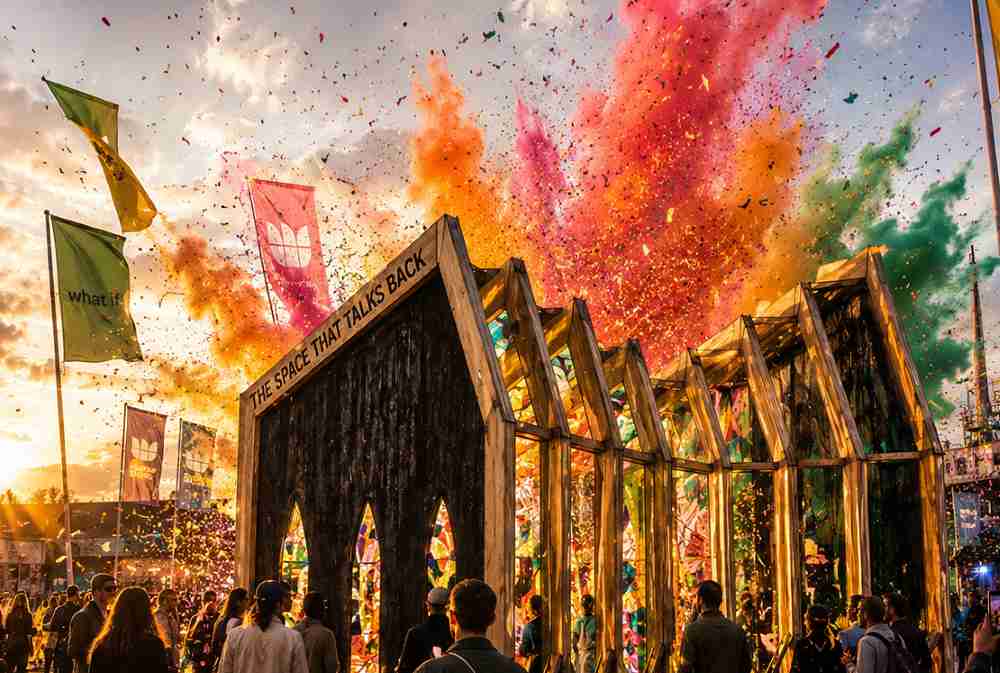
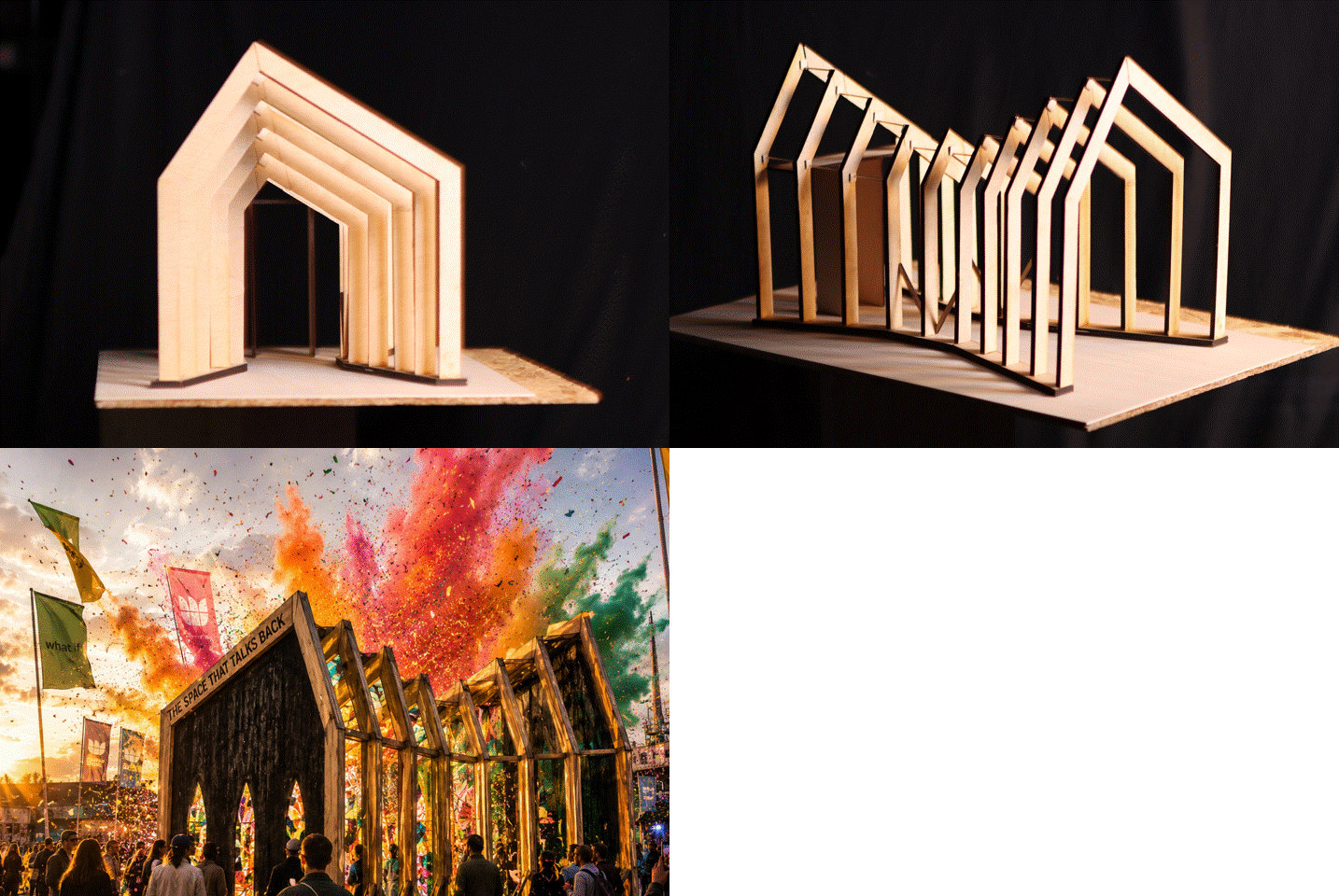
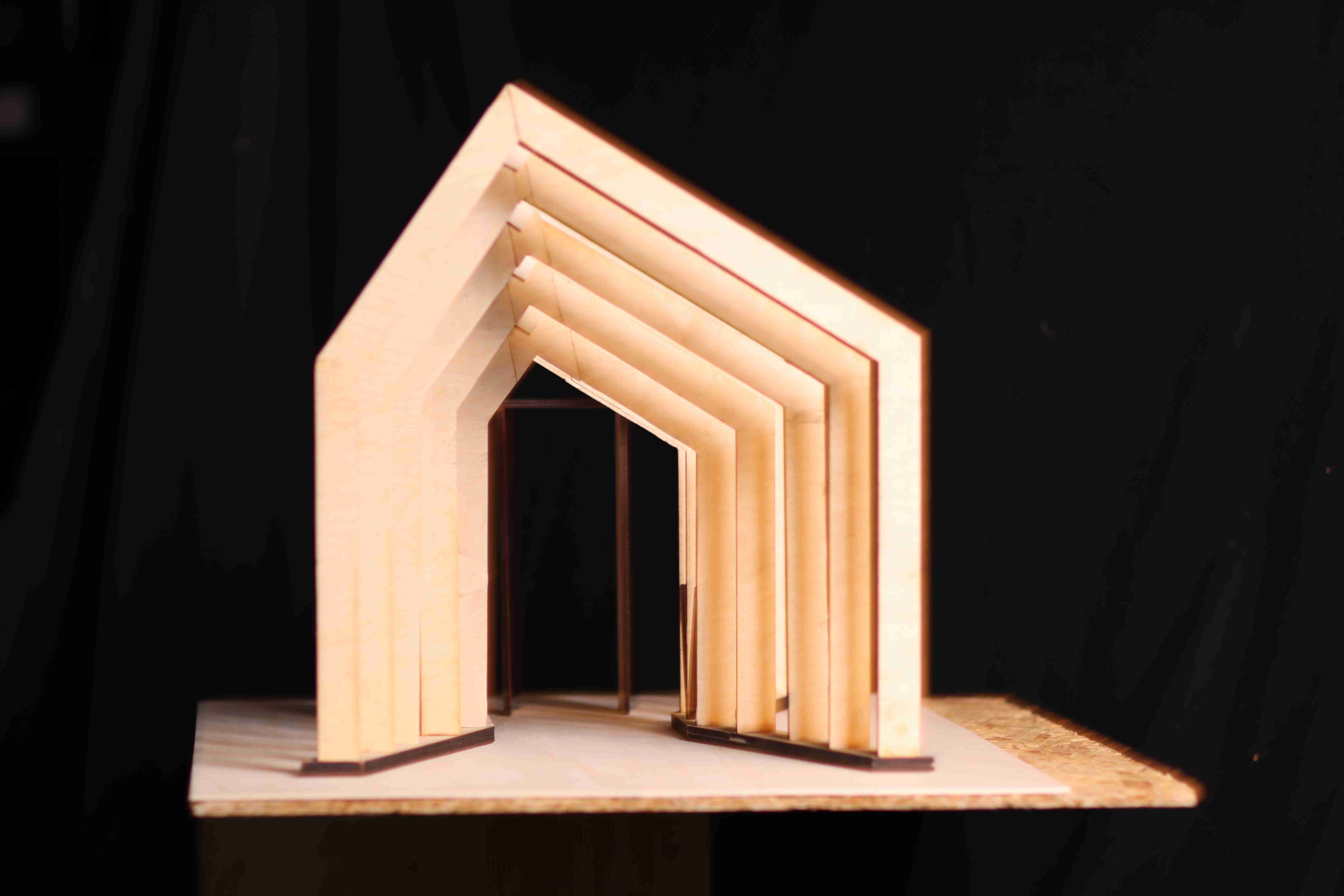
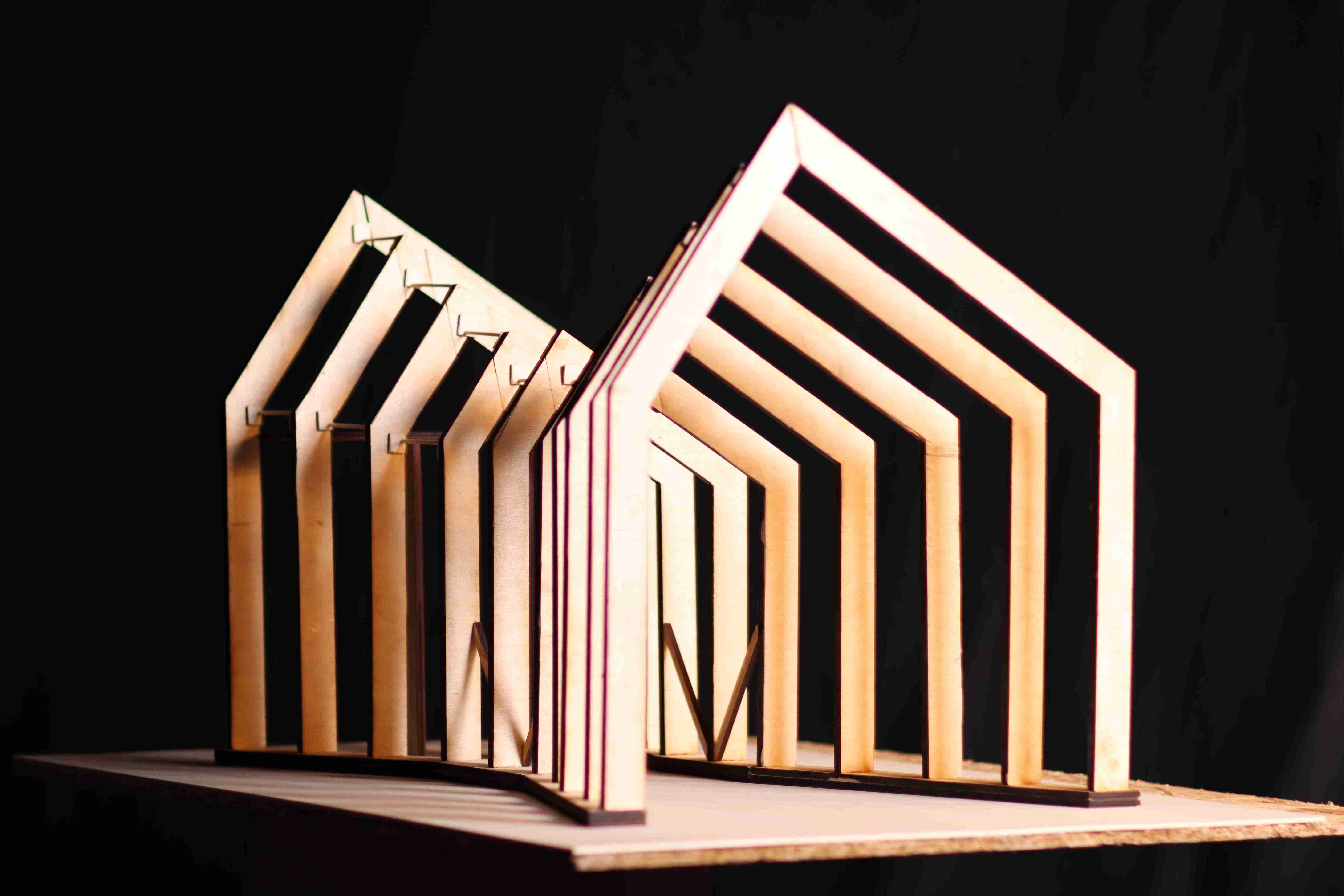
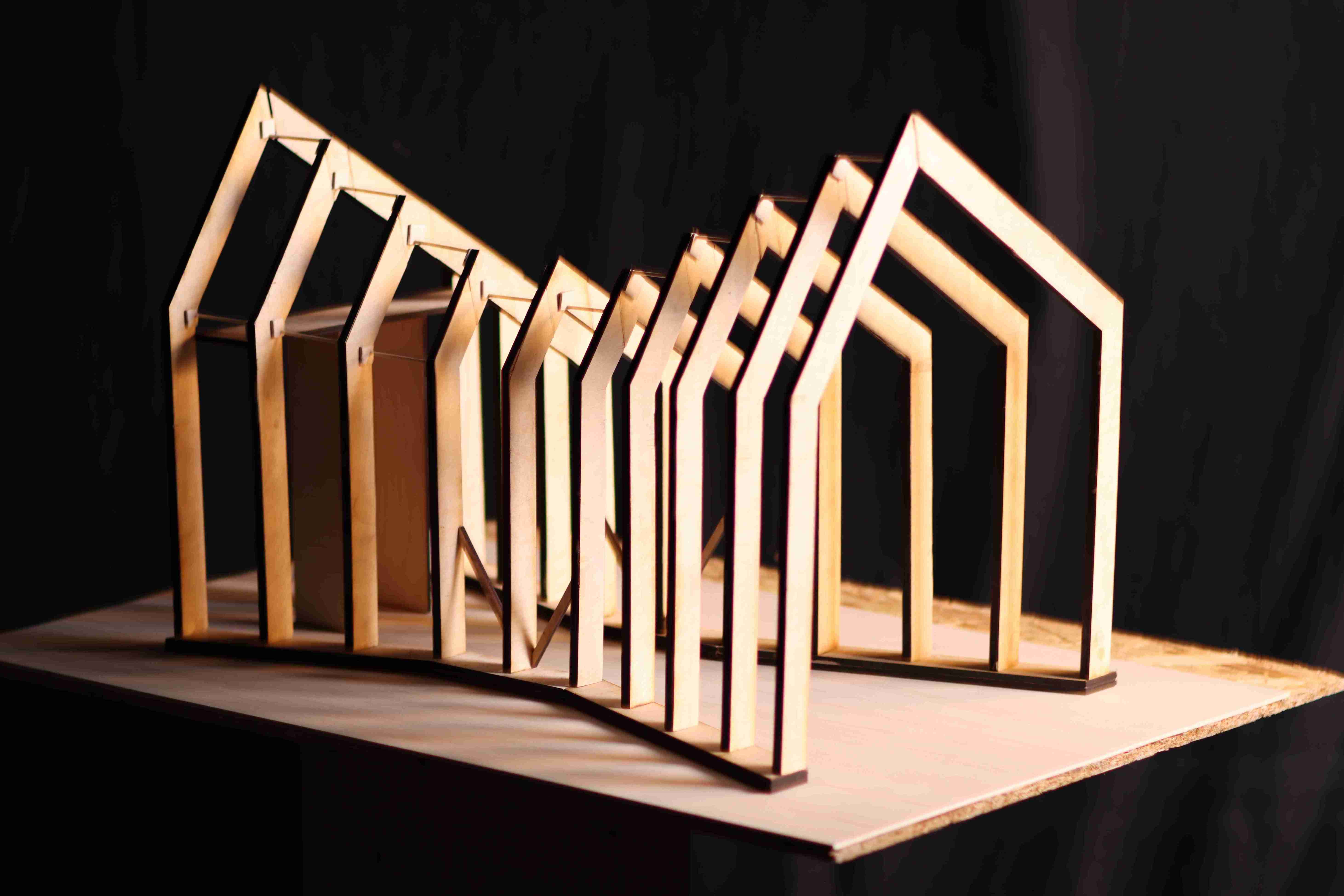
DuringDutch Design Week 2026Urban Climate Architects presents in EindhovenThe Space that Talks Back: an interactive installation about space, climate, and the choices that shape our living environment.
More housing. More greenery. Space for work. Protection against water. These all seem like logical choices. But our living environment has to accommodate them all.
And that is where it gets complicated.
Visit The Space that Talks Back
Date:October 17–25, 2026
Location:Strijp-S, B5 Ketelhuisplein, 5617 AE Eindhoven
Opening hours:daily from 11:00 AM to 6:00 PM
Admission:free
Three perspectives. Shared outcomes. Different futures.
What happens when your choice clashes with someone else's? And what does a decision made today mean for the living environment of tomorrow?
With The Space that Talks Back, we explore how different interests, perspectives, and potential futures converge in one shared environment.
You step into the installation. You are given a perspective. You make choices.
The space reacts.
Slowly, it becomes clear that the outcome is never determined by a single person, a single interest, or a single design decision.
Three perspectives. Shared outcomes. Different futures.
When the space talks back
Our living environment is increasingly expected to do it all at once.
The Netherlands needs housing. We want to preserve and expand space for nature. Cities must be able to withstand heat and extreme rainfall. At the same time, we need places to work, exercise, and meet one another.
Individually, these ambitions sound logical. But as soon as they all need to be accommodated within the same city, dilemmas arise.
What takes priority?
The Space that Talks Back makes that tension tangible. Not by presenting one solution as the right one, but by allowing you to experience how every choice ripples through the bigger picture.
Space is never neutral.
Housing, nature, and climate are part of the same challenge
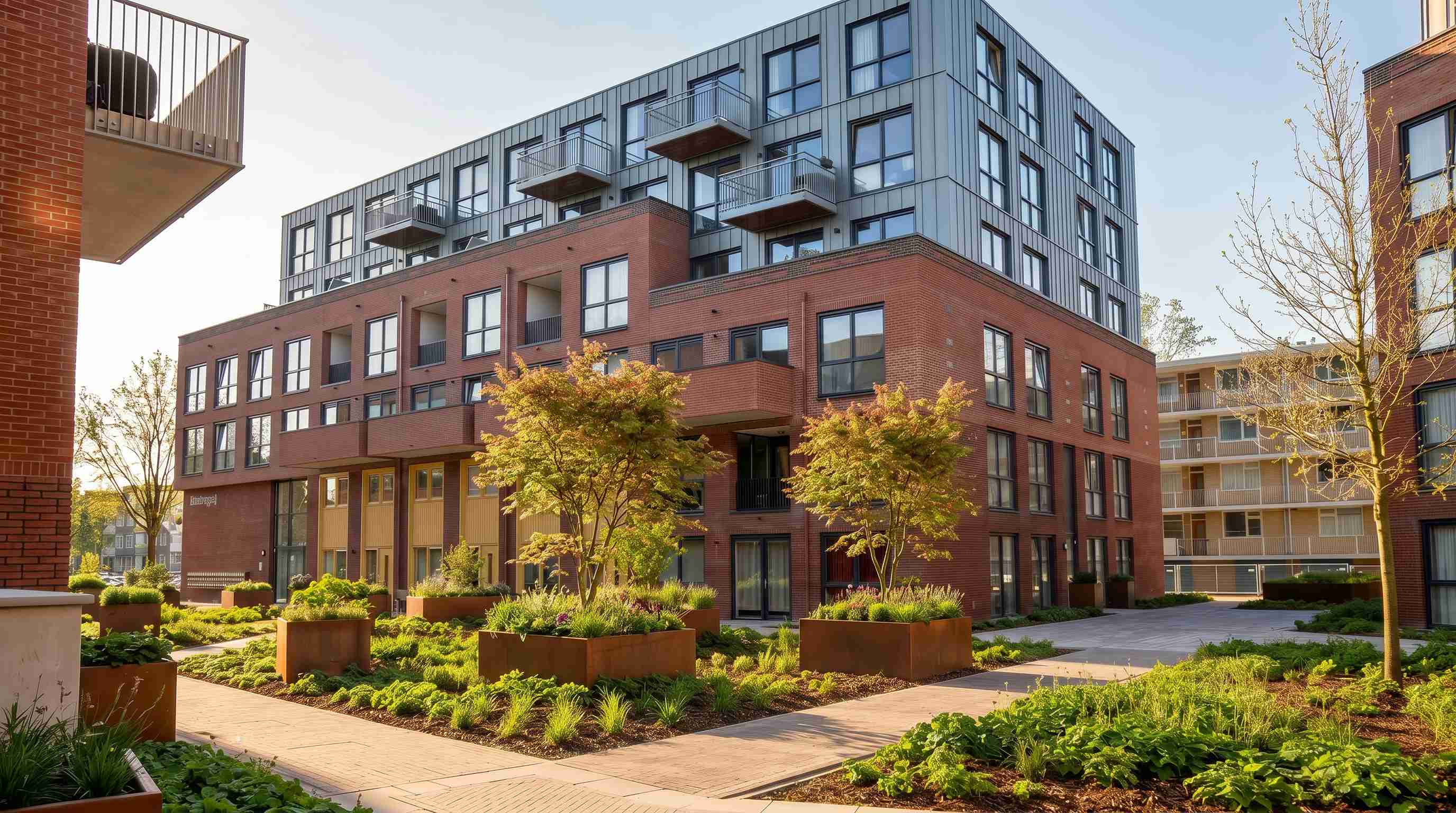
More housing does not automatically have to mean less space for nature. And urban densification does not have to come at the expense of livability.
However, that does require a different way of designing.
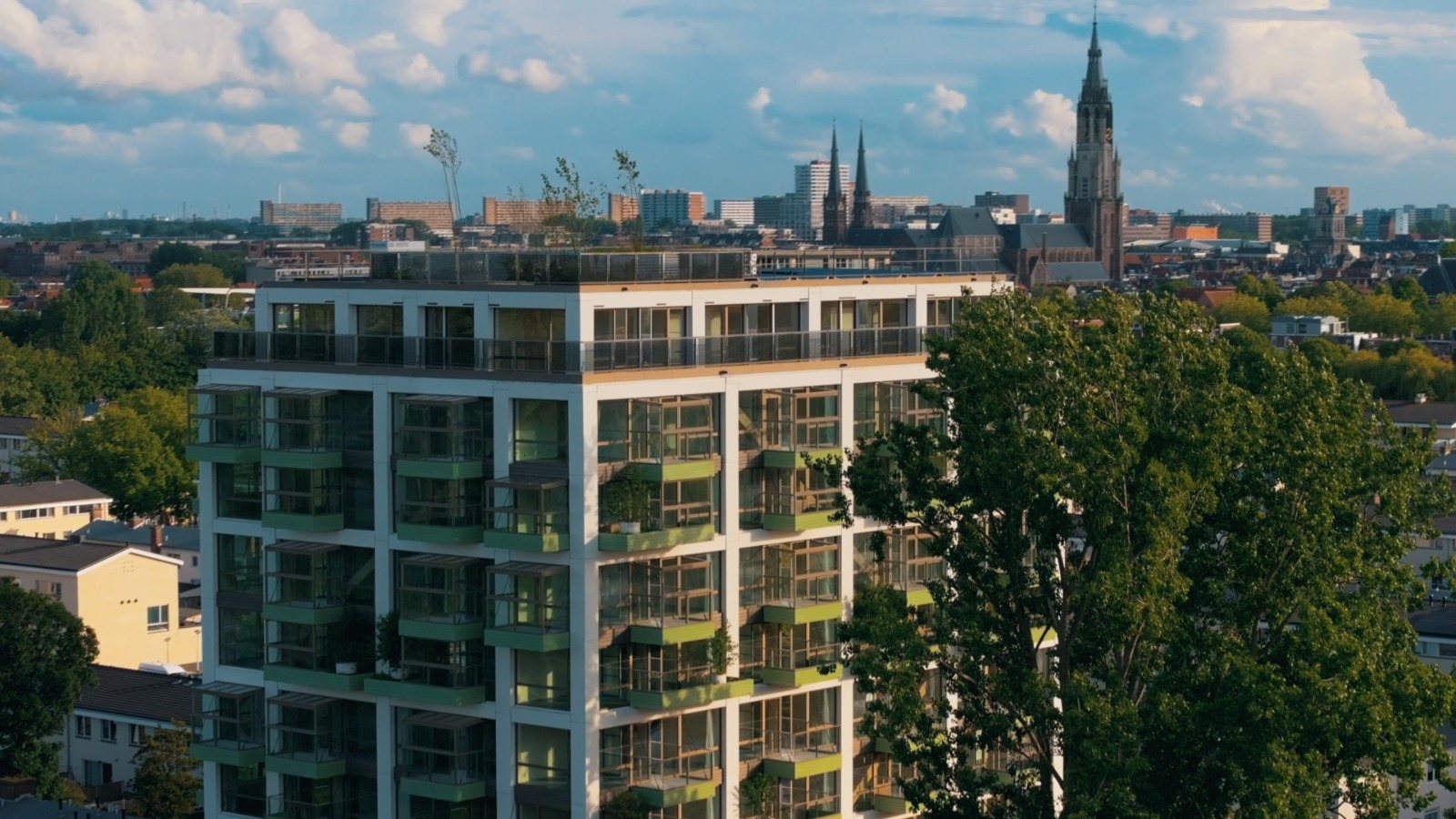
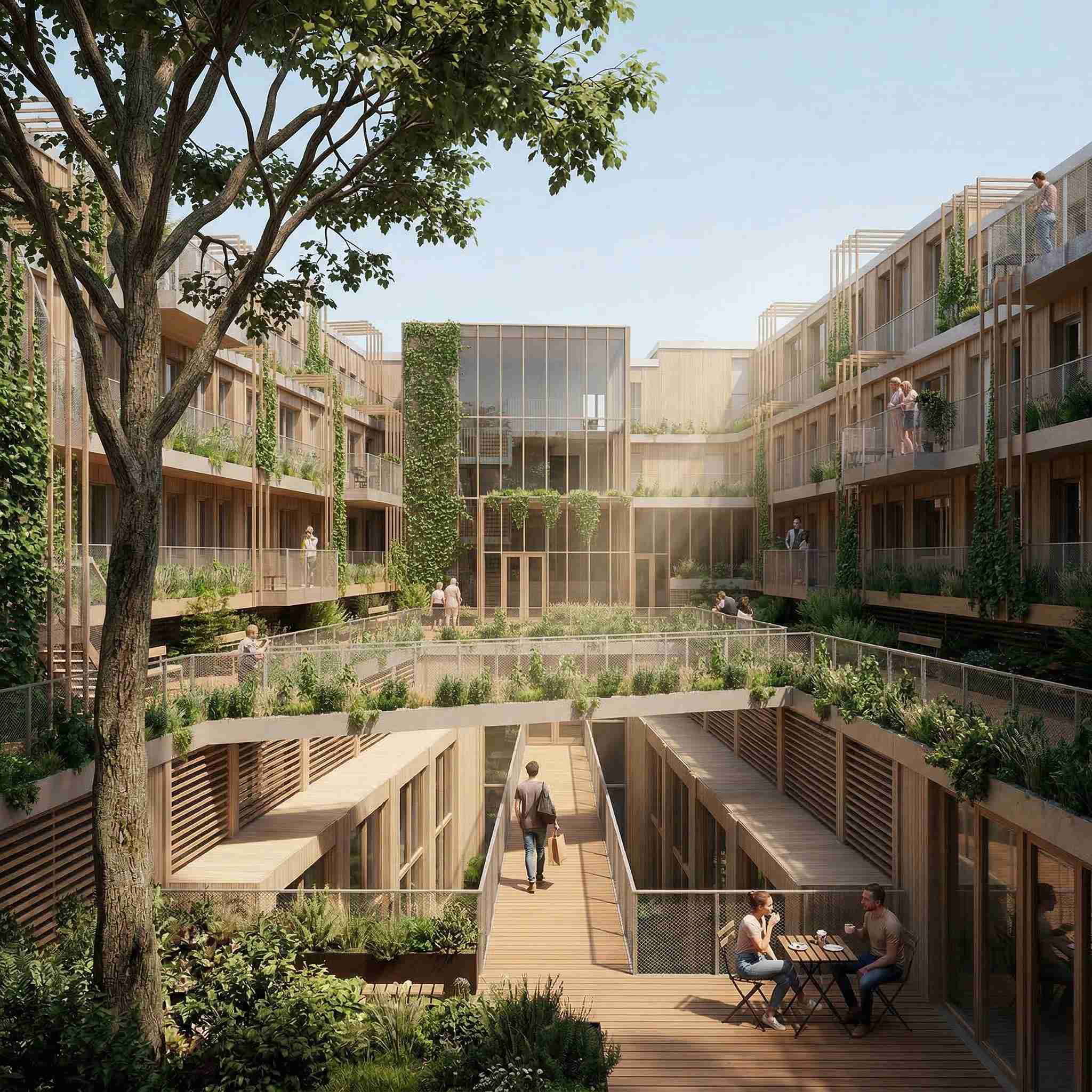
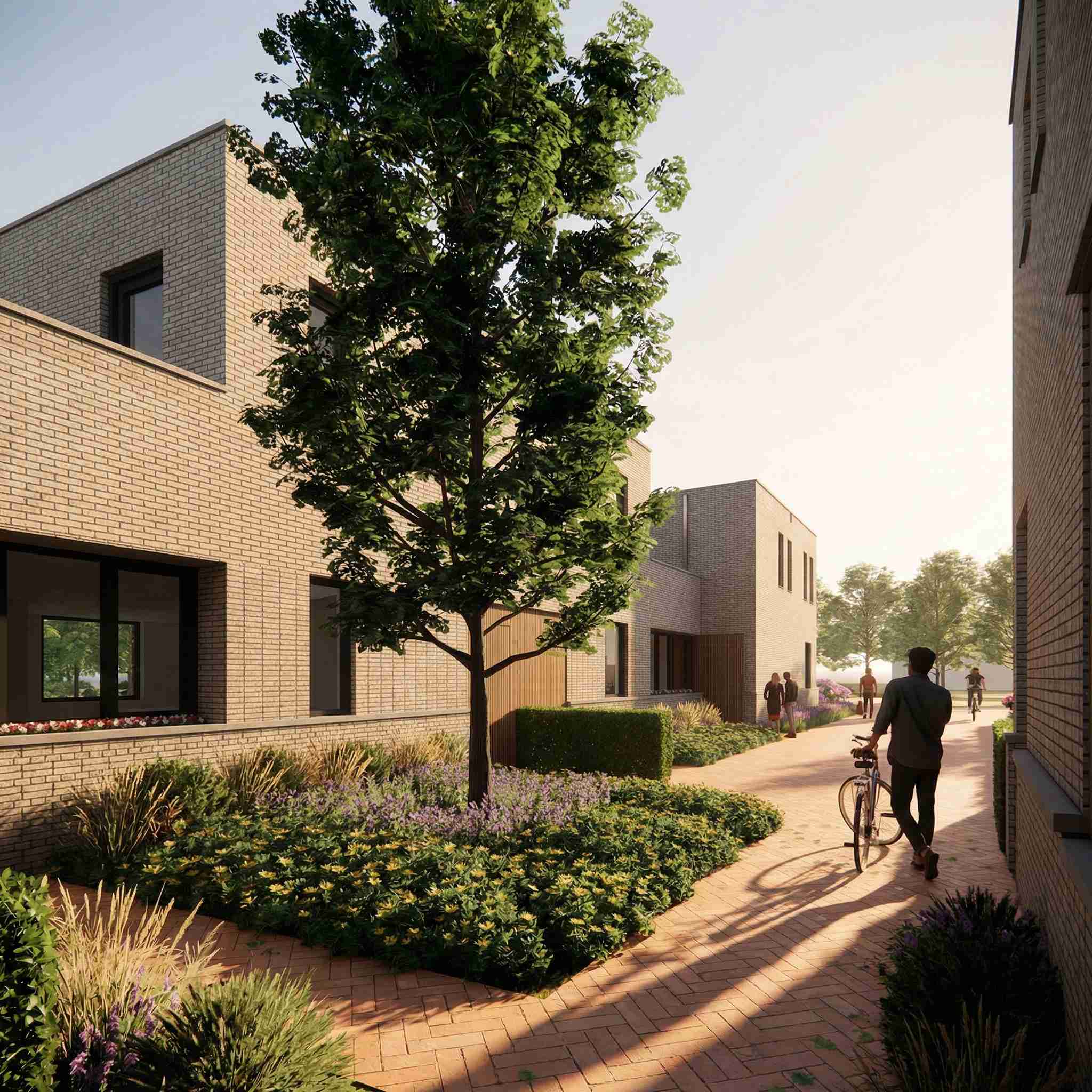
At Urban Climate Architects, we integrateurban densification, nature-inclusive building, and climate-adaptive designfrom the very start of a project. Greenery can provide cooling, strengthen biodiversity, and help capture rainwater.
Read more about our approach tourban development and nature-inclusive design, where architecture, landscape, and climate together form the foundation for healthy and resilient neighborhoods.
It is not about placing as many functions as possible side by side.
It is about solutions where they reinforce one another.
Designing with less impact
Material choices are also part of that larger system.
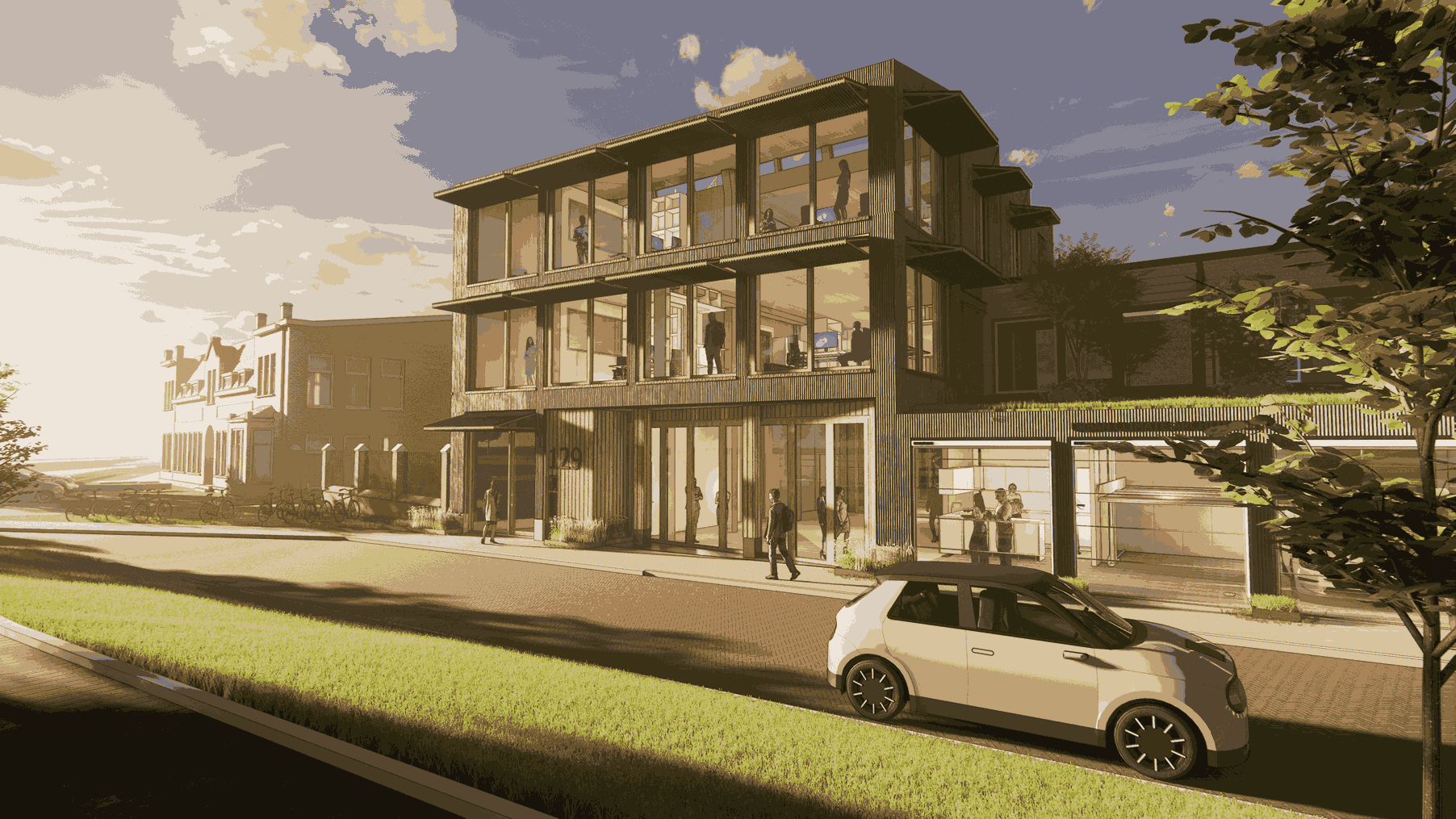
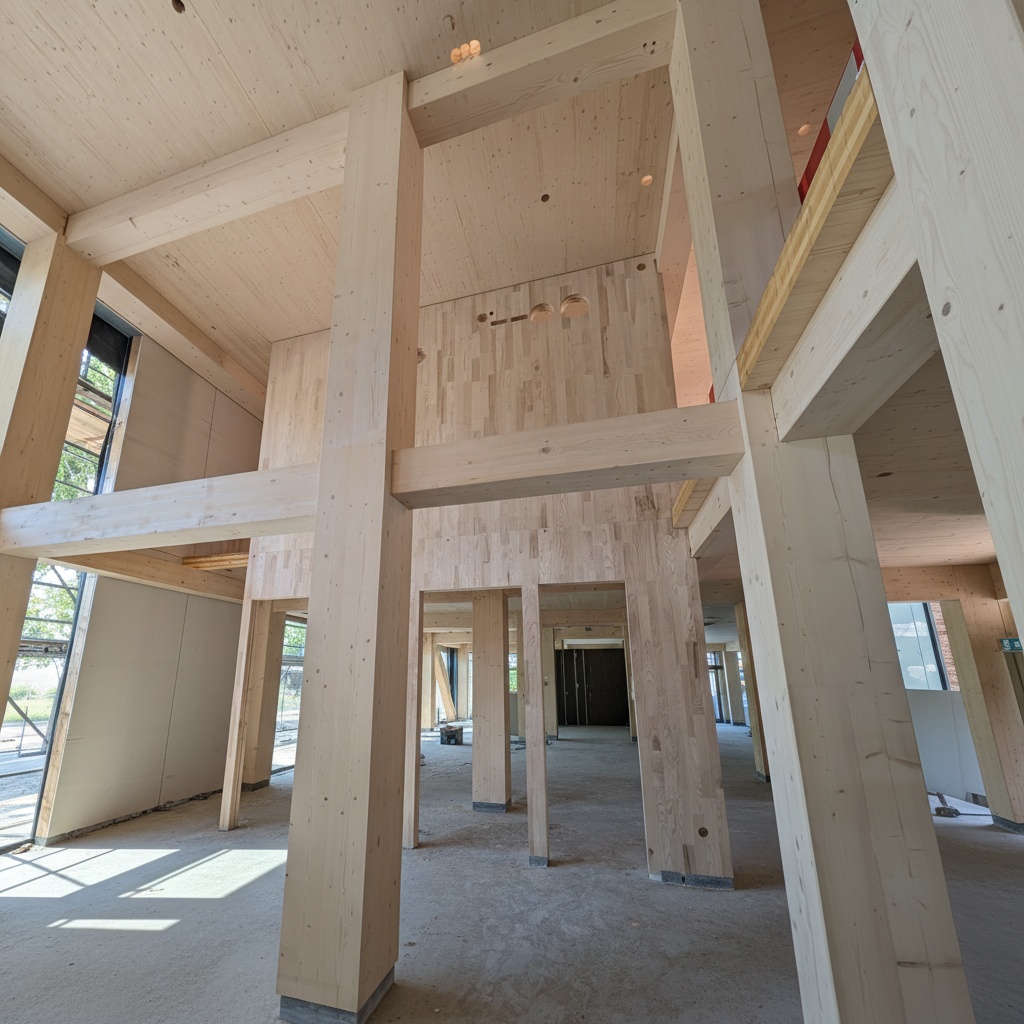
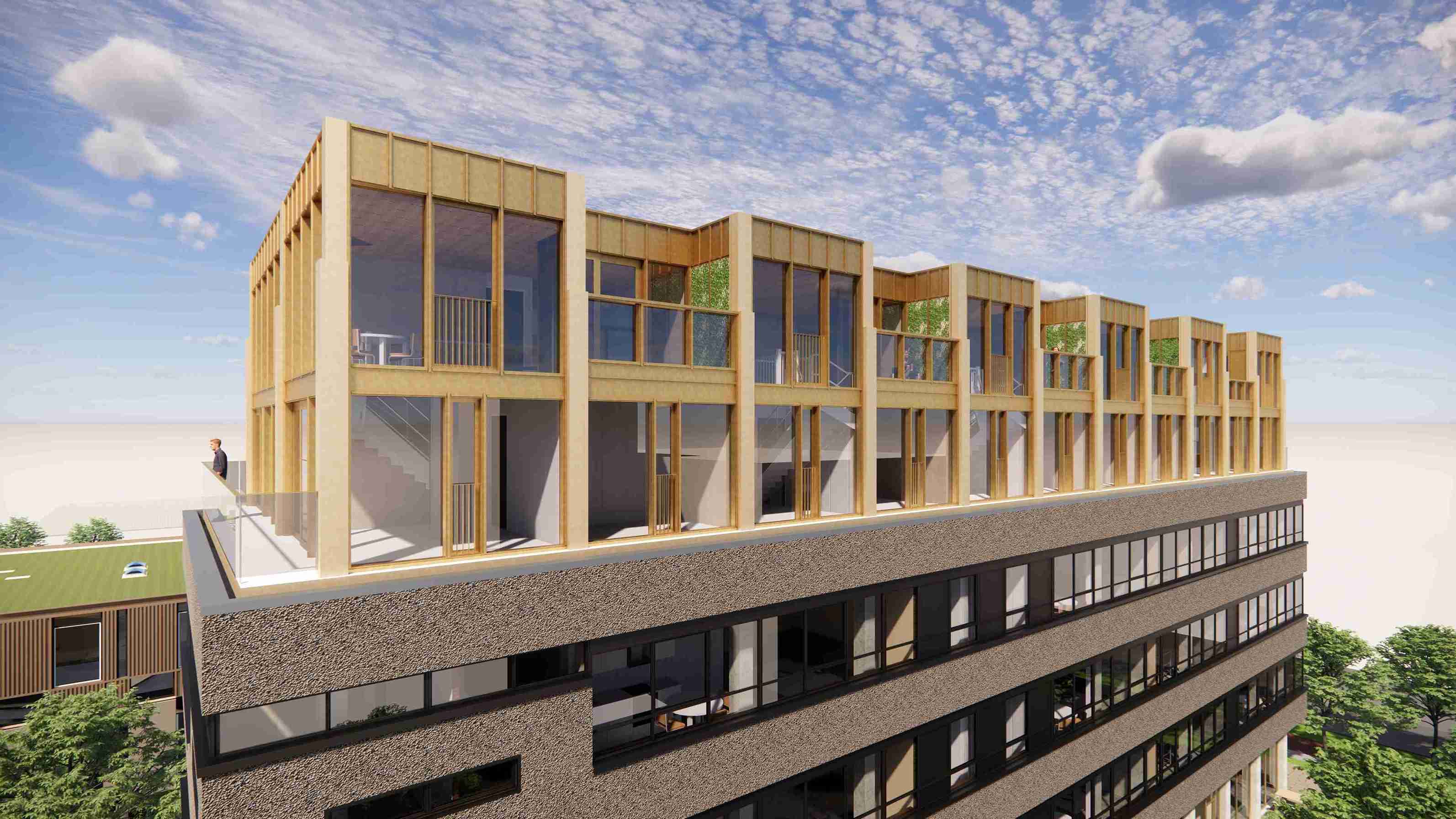
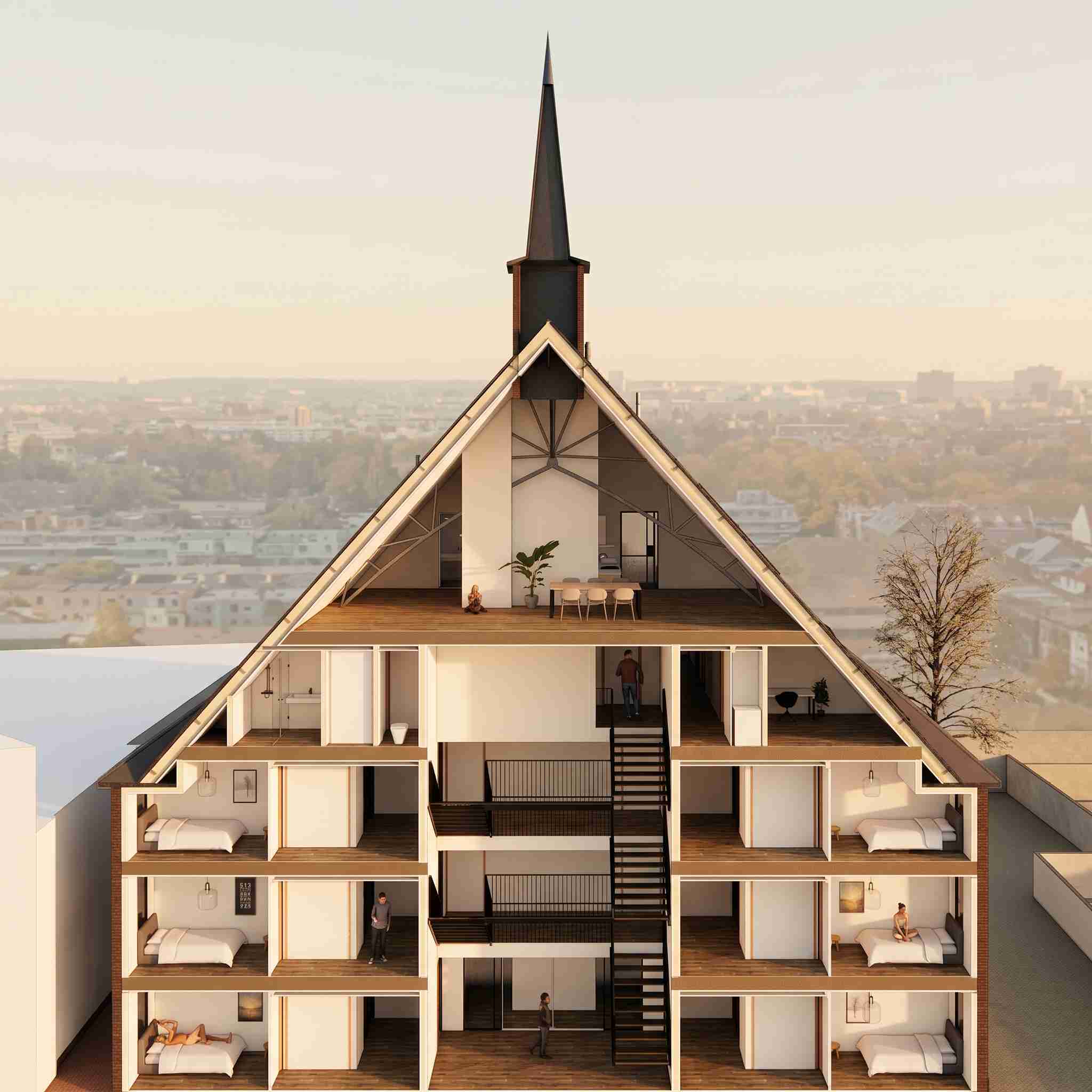
As atimber construction architect in the Netherlands, we explore how lightweight, biobased structures can contribute to housing, transformation, and urban densification with a lower material impact.
In doing so, we look beyond just wood as a material. The entire design strategy counts. Weight, construction time, reuse, disassembly, embodied carbon, and future adaptability all play a role.
For mass timber projects, aCLT architect in the Netherlandsbrings material, construction, architecture, and execution together from the very first sketch.
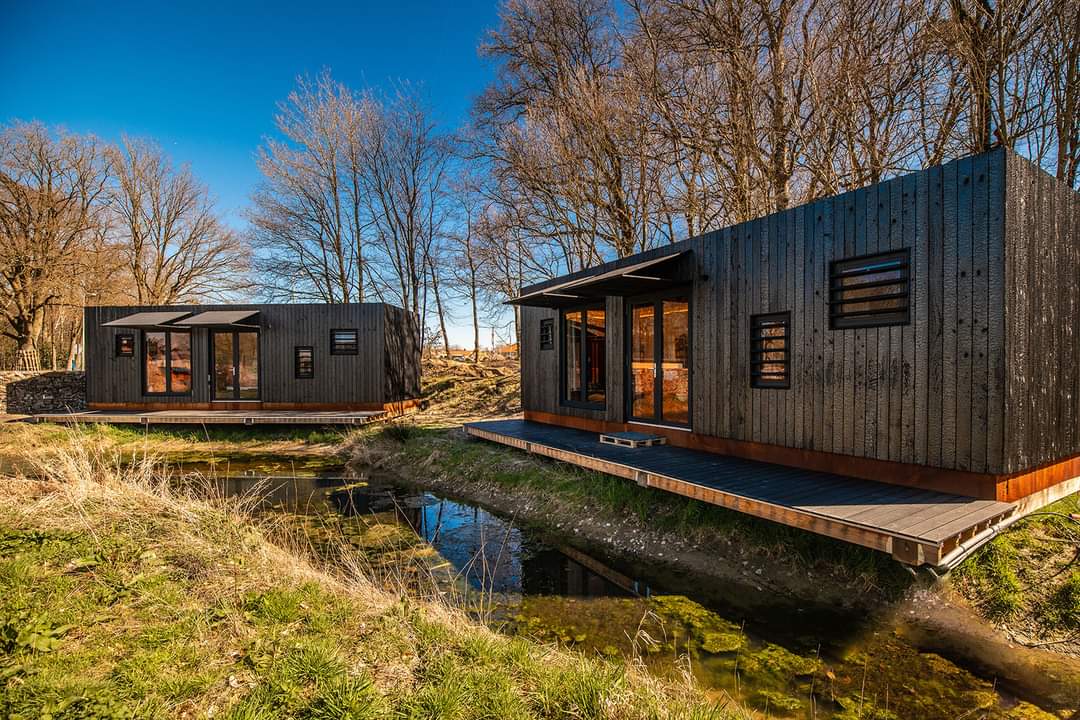
Also,biobased constructionplays an important role in this. By consciously making renewable materials part of the design, we can reduce our dependence on material flows with a high CO₂ impact.
This leads to the same question that is central to The Space that Talks Back:
what does one design choice mean for the rest of the system?
From a single material choice to a circular system
Sustainable design does not stop at choosing a material with a lower environmental impact.
The next question is what happens before and after the building.
Where do materials come from? Can existing raw materials be reused? Is a building adaptable or demountable later on? And can materials become part of a new cycle after use?
In our vision ofcircular constructionwe explore how architecture can become part of such a longer material chain.
This shifts the question fromwhat are we building?towhat system are we creating with our choices?
That is precisely the idea behind The Space that Talks Back.
Architecture begins with balancing
Good architecture is not about maximizing a single interest.
It emerges from understanding how different interests relate to one another.
Living.
Nature.
Water.
Mobility.
Materials.
Energy.
Connection.
The challenge is not to choose one, but to design solutions in which different values reinforce each other.
This requires listening, researching, testing, and sometimes re-evaluating the original question.
This is especially important for public projects and tenders. Sustainability ambitions are most effective when they are not added as an afterthought, but are part of the brief and the design from the very beginning.
Read more about our approach to asustainable timber construction tender.
The Space that Talks Back during DDW Eindhoven
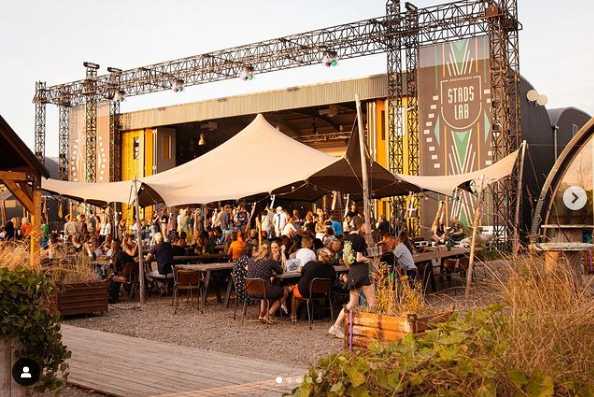
FromOctober 17 to 25, 2026you can experience The Space that Talks Back during Dutch Design Week at Strijp-S in Eindhoven.
The installation doesn't just make you think about spatial choices. You will experience what happens when interests collide and individual decisions shape a potential future together.
In the coming period, we will be opening a new door and sharing more about the perspectives, dilemmas, and design concepts behind the installation.
But first, we are curious:
Which choice for our living environment should always take priority for you?
Collaboration
The Space that Talks Back was developed in collaboration withMichelle van Dijk,Birgitta Rottmann,Bart van den Berg from Kiss the Frog and Lars van Vianen from Scape Agency.
From Urban Climate Architects,Tim Vermeend, Fenne Jansen and Dennis Hauerare involved.
From interactive installation to research and spatial practice
The questions raised by The Space that Talks Back are central to our projects and research every day.
How do we add housing without losing the quality of the existing city?
How do we give more space to nature and water?
How do we build using fewer new raw materials?
And how do we ensure that a choice made today still holds value decades from now?
Within Research & Innovation we explore new design strategies, materials, and construction methods that can contribute to a living environment with a lower climate impact.
One example is our research with TNO on repurposing waste wood as a structural building material. Read more about circular CLT from reclaimed wood.
The Space that Talks Back distills that way of thinking into one simple experience.
You make a choice.
The space responds.
And you discover that the future is never determined by a single choice alone.
Which door will you choose?
Are you working on a spatial challenge where housing, climate, nature, and urban densification converge?
Urban Climate Architects helps municipalities, developers, housing associations, and other clients bring these interests together from the very start into a single spatial strategy.
Discuss your spatial challenge with Urban Climate Architects.
Contact for more information
.jpg)




.jpg)


.jpg)




%20-%20uc%20architects.jpg)










.jpg)






.jpg)