Tiny Houses near the Veluwe: compact guest accommodation in nature
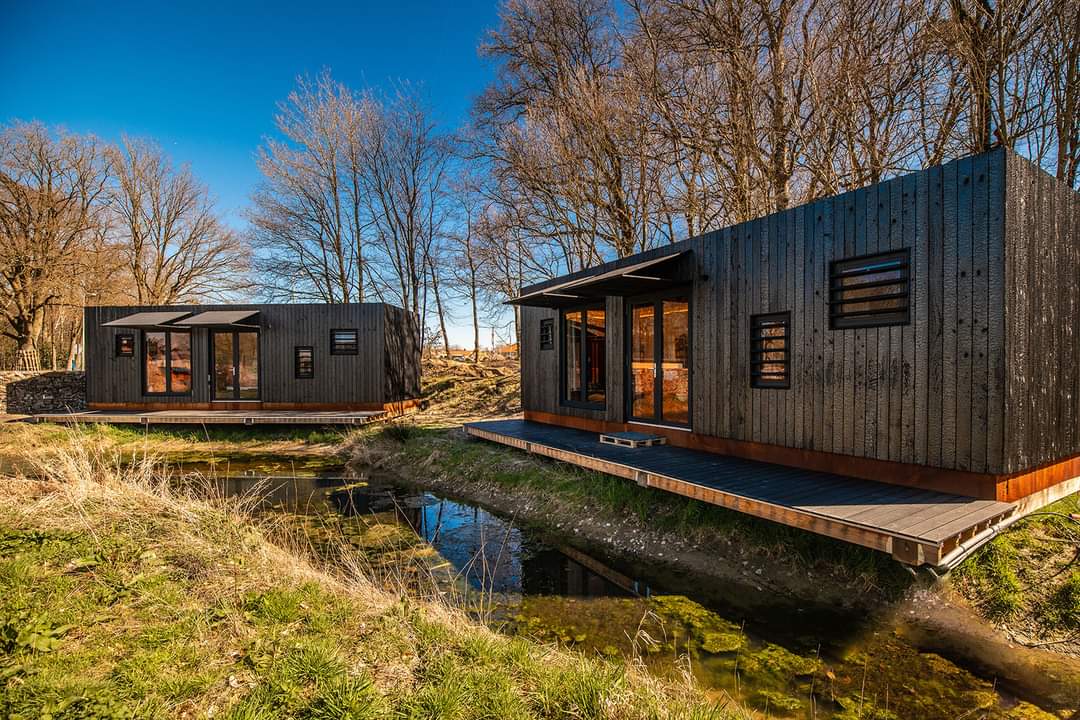
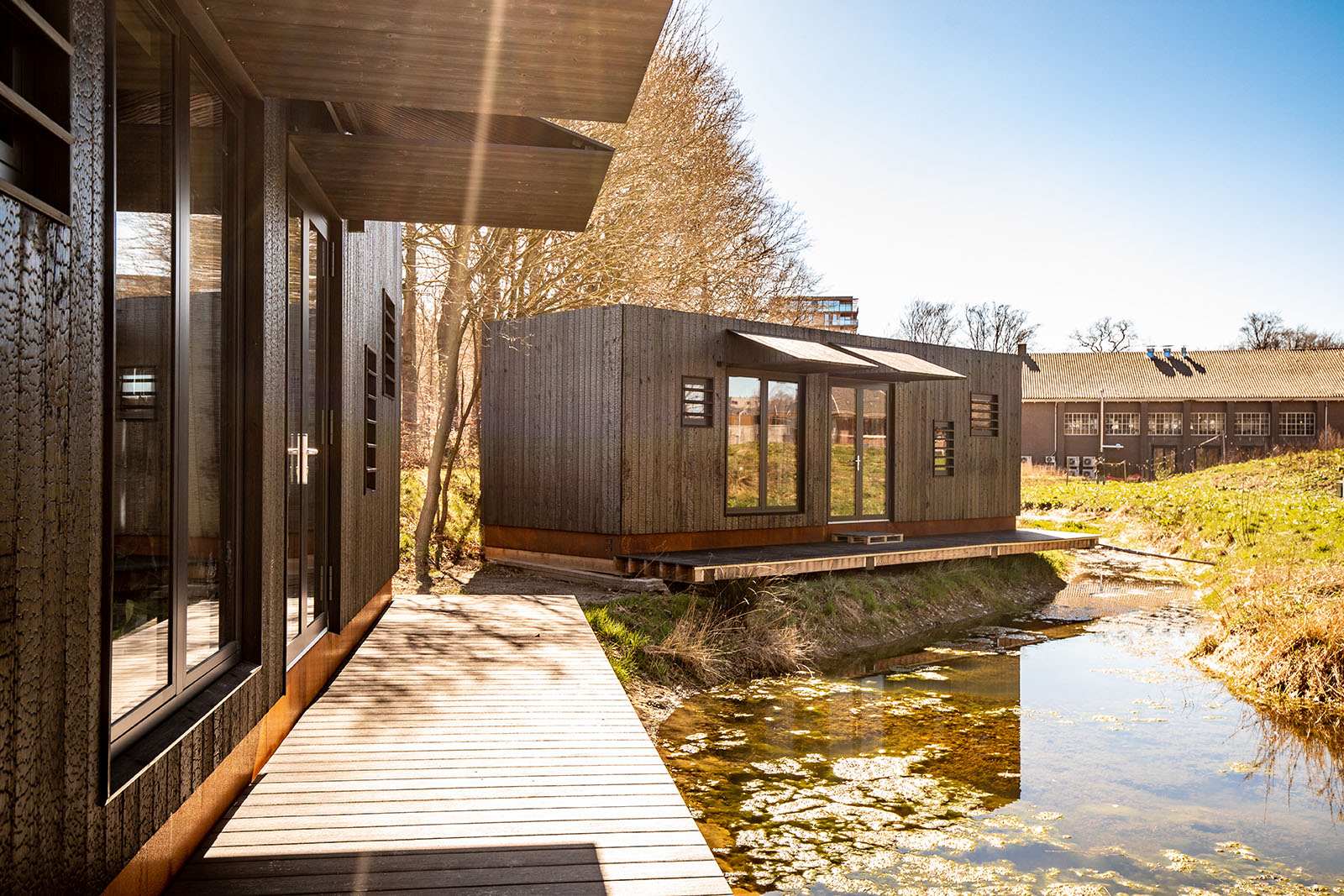
In Ede, Urban Climate Architects designed two Tiny Houses for small-scale guest accommodation near the Veluwe. The houses are conceived as compact, comfortable places where nature, calm and intelligent spatial design come together.
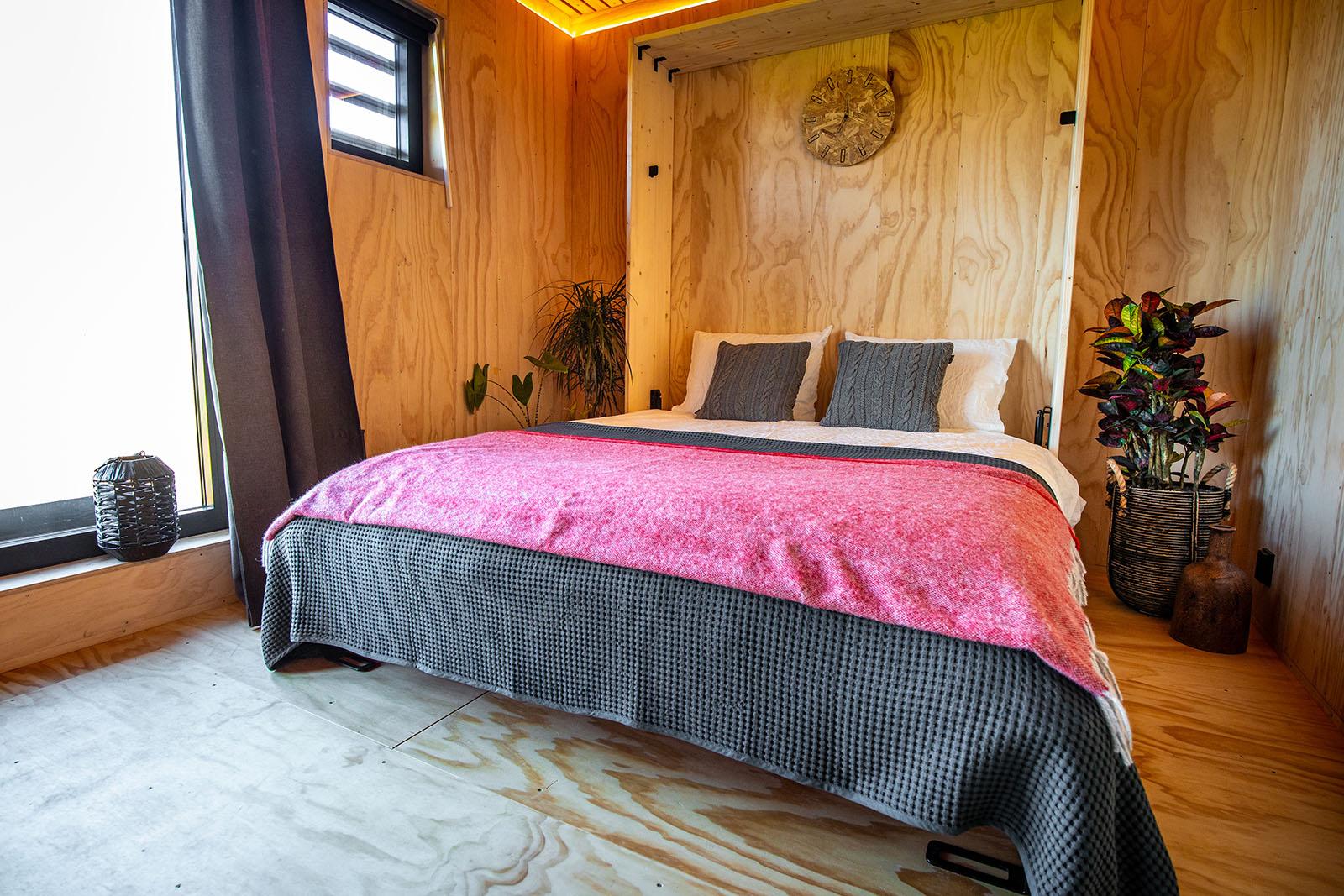
The Tiny Houses show how much quality can be achieved within a limited footprint. Sleeping, cooking, bathing and relaxing are carefully combined in one clear space. Large windows and glazed doors bring in natural light and strengthen the connection with the green surroundings.
Biobased construction at a small scale
Timber plays an important role in the atmosphere, comfort and material character of the Tiny Houses. The interiors feel warm and calm, with natural materials that suit their landscape setting.
As a mass timber architect, Urban Climate Architects designs buildings that are light, sustainable and future-ready. Even at a small scale, this project shows how timber construction can contribute to a healthy indoor climate, a comfortable guest experience and a strong relationship between building and nature.
Comfortable stays near the Veluwe
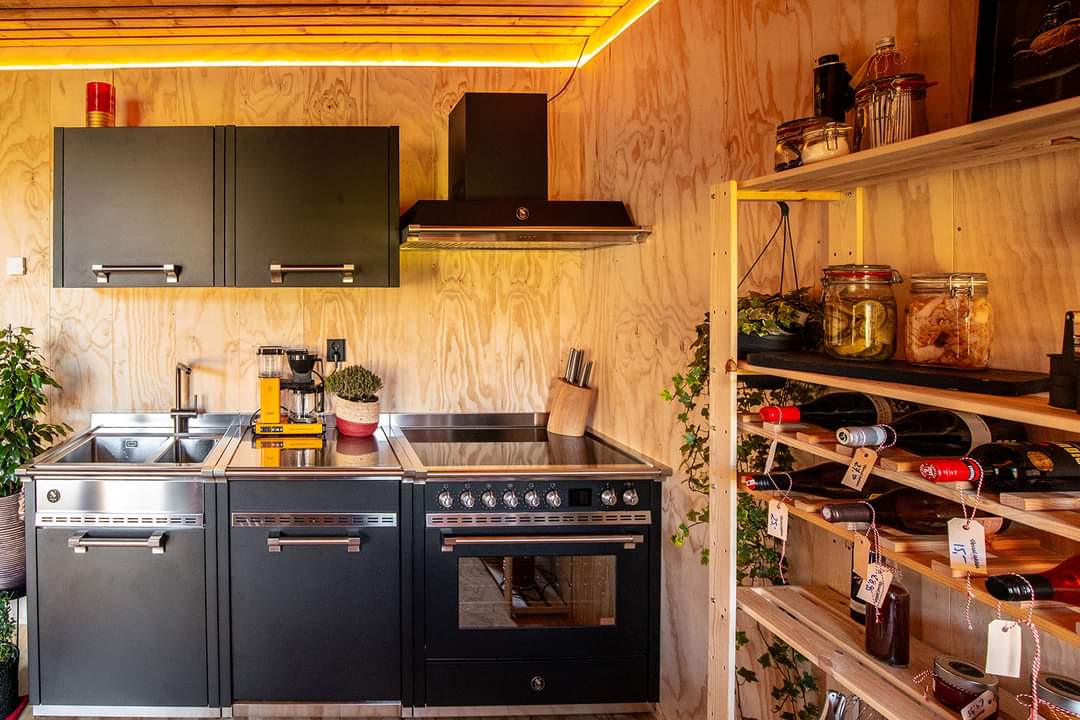
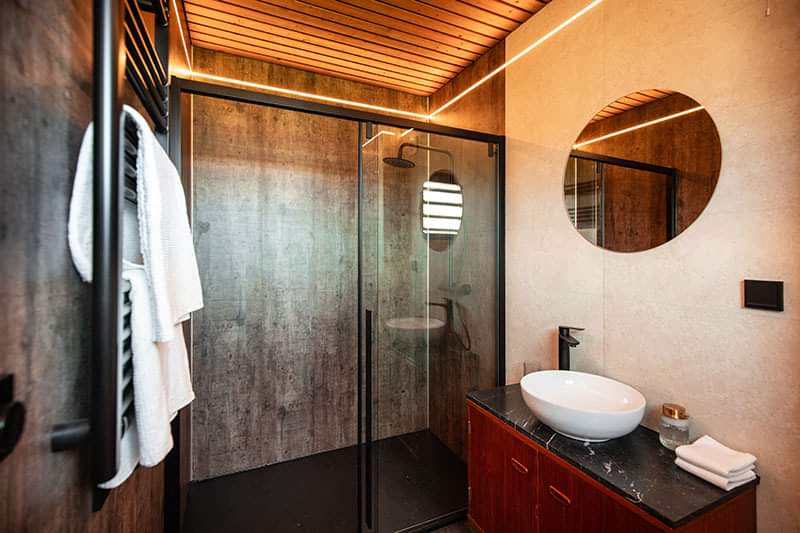
The Tiny Houses are designed for guests looking for calm, nature and comfort. The accommodation offers space for up to four people, with a double bed, sofa bed, fully equipped kitchen and a bathroom with a rain shower. This makes the houses suitable for a short stay, a weekend in nature or a relaxed base from which to explore the Veluwe.
Because of the compact layout, every design decision matters. The kitchen, bathroom, sleeping area and seating space are carefully integrated, without the accommodation feeling small or temporary. The result is a tiny house that feels simple, but rich in use.
Timber construction for healthy guest accommodation
In this project, timber construction is not only a building method. It is also a way to create calm, comfort and spatial quality. Timber feels warm, is lightweight to build with and fits naturally within a green environment.
For clients working on recreation, B&B concepts, small-scale hospitality or nature-based accommodation, this project shows how compact design can support comfort, sustainability and experience. From CLT architecture to biobased hospitality design, timber construction offers opportunities for light, healthy and future-ready buildings.
The comparison between timber vs concrete also shows that material choice is about more than structure alone. It is about weight, comfort, appearance, circularity and the experience of the user.
Circular thinking in compact architecture
Tiny Houses require a different way of designing. Not building larger than necessary, but designing what is needed better. By carefully aligning space, material and use, a compact building can offer a high-quality guest experience.
This approach reflects the principles of circular construction and the wider vision of Urban Climate Architects: designing buildings that use fewer materials, retain value for longer and respond more carefully to their surroundings. For projects in recreation, hospitality or sustainable architect for procurement, this type of biobased design offers a strong example.
Biobased guest accommodation and a healthy indoor climate
The Tiny Houses in Ede show how biobased construction can create real impact, even at a small scale. By choosing timber, natural materials and a compact spatial layout, the guest houses offer a stay that feels comfortable, warm and healthy.
For Urban Climate Architects, this project is an example of how wood architecture can contribute to a healthier indoor climate and a stronger relationship between building and landscape. The Tiny Houses bring together guest comfort, simplicity, circularity and material-conscious design.
Small buildings, strong guest quality
Small-scale architecture demands sharp choices. In the Tiny Houses, comfort, function, atmosphere and material use come together in one compact space. By leaving out what is unnecessary and designing from everyday use, the result is a place that feels natural and intuitive.
This approach shows that sustainable architecture does not always need to be large. Especially in small buildings, the quality of a place is shaped by material, light, view and layout.
Contact for more information





.jpg)


.jpg)




%20-%20uc%20architects.jpg)










.jpg)






.jpg)